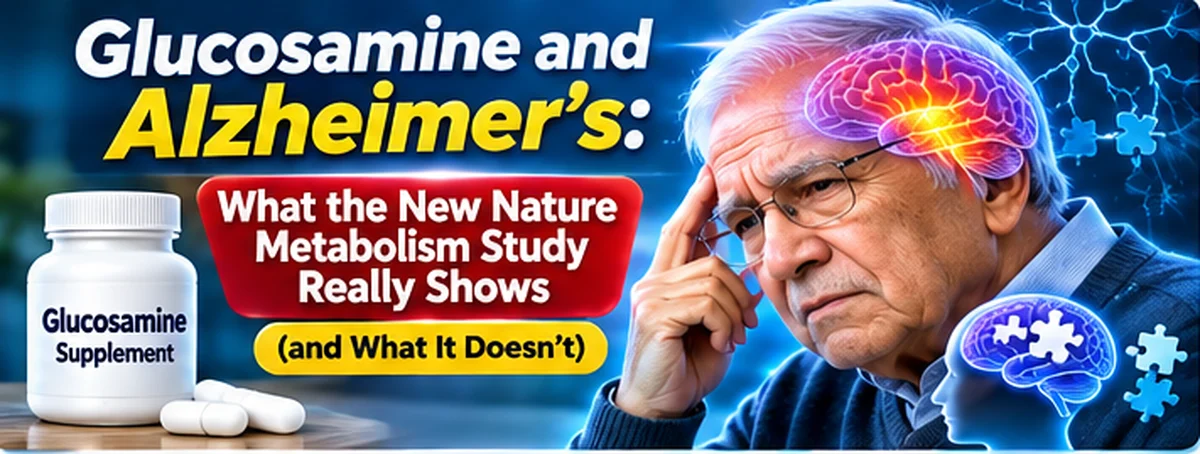
A supplement millions of people take for sore joints has been linked, in one new study, to faster decline in Alzheimer's disease. Here is how to read that evidence calmly and correctly.
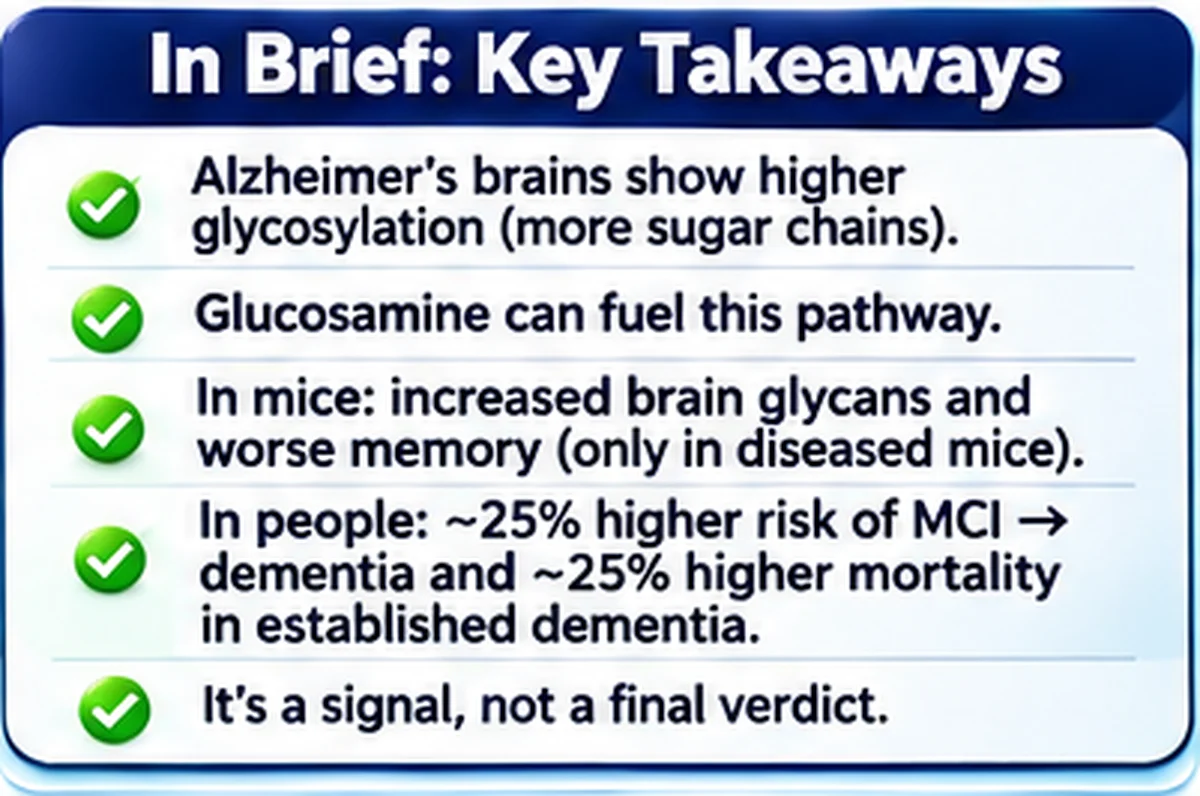
- The paper: Hawkinson et al., Nature Metabolism, published 9 June 2026.
- The idea: Alzheimer's brains showed excess protein-bound sugar chains called glycans, a process known as hyperglycosylation.
- In mice: glucosamine increased brain N-glycans and worsened social-recognition memory in Alzheimer's-model mice; healthy mice were not similarly affected.
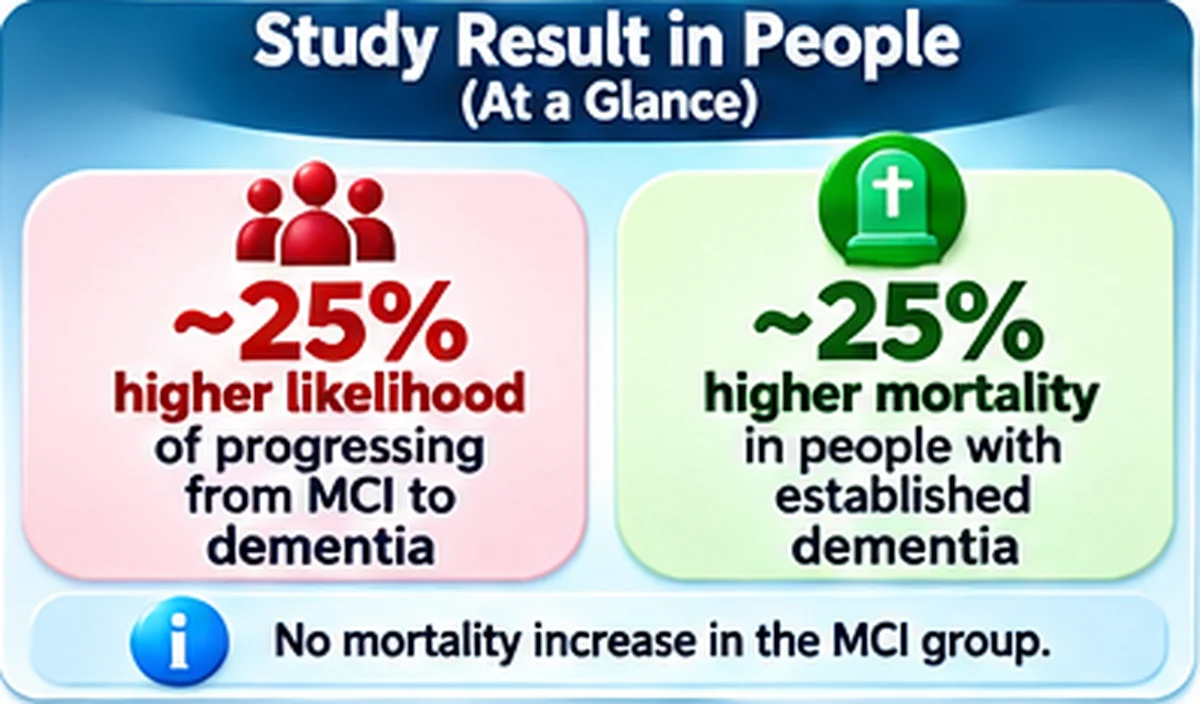
- In people: a retrospective hospital-record study found associations with about 25% higher MCI-to-dementia progression and about 25% higher mortality in established Alzheimer's-related dementia cohorts.
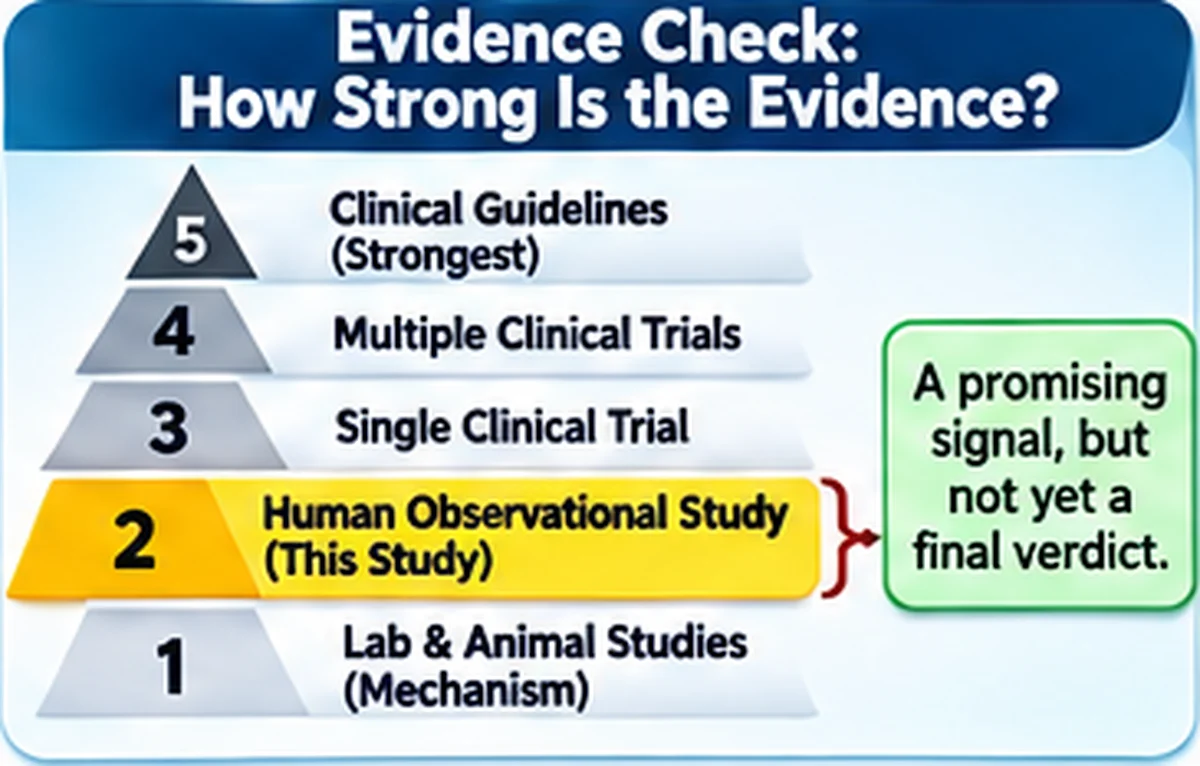
- Evidence level: an interesting biological mechanism and a preliminary human signal—not proof that ordinary supplement use causes Alzheimer's progression.
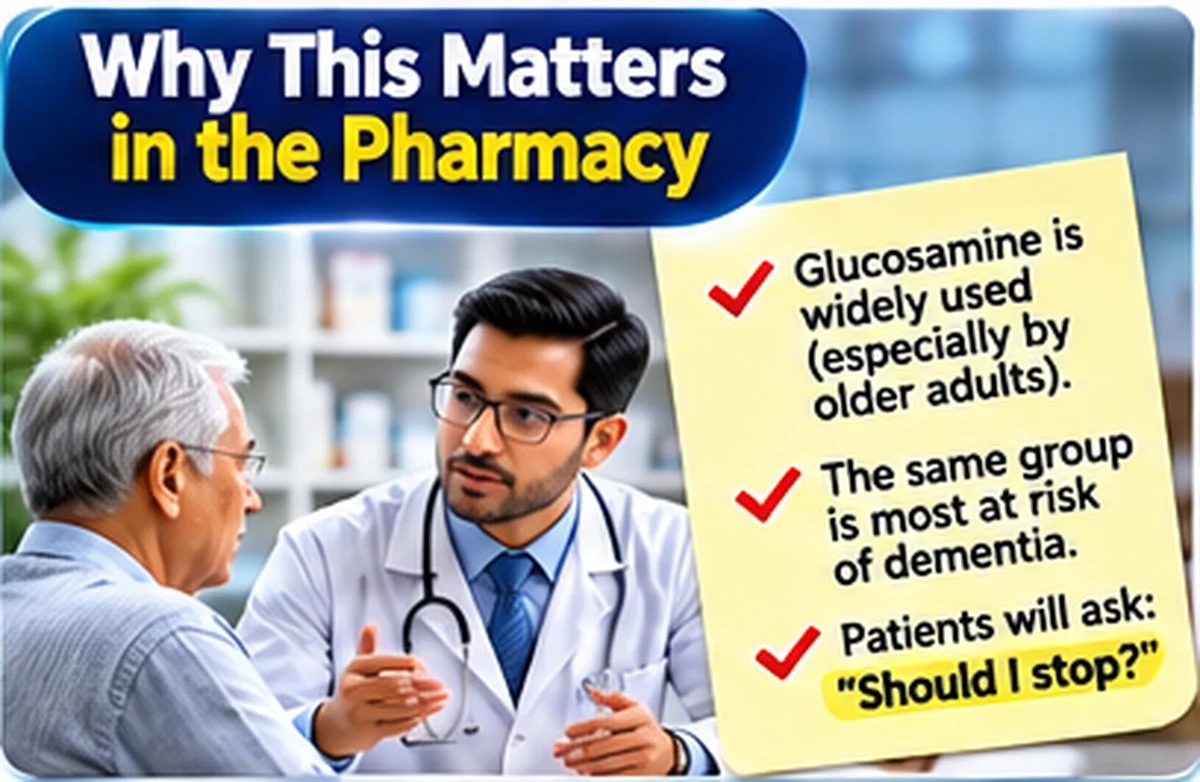
Why this matters in the pharmacy
Glucosamine is widely sold as a supplement for joint health. Older adults who use it for osteoarthritis may also be the people most likely to have memory concerns. Pharmacists and doctors may therefore be asked: “Should I stop taking it?” A responsible answer needs to explain both what the study found and what it cannot establish.
The biology in 60 seconds
Cells attach sugar chains called glycans to proteins. This normal process, called glycosylation, helps proteins fold, move and communicate. Glucosamine enters the hexosamine pathway, which supplies building blocks for these sugar chains. The researchers report that Alzheimer's brains show increased N-glycan production—described as hyperglycosylation.
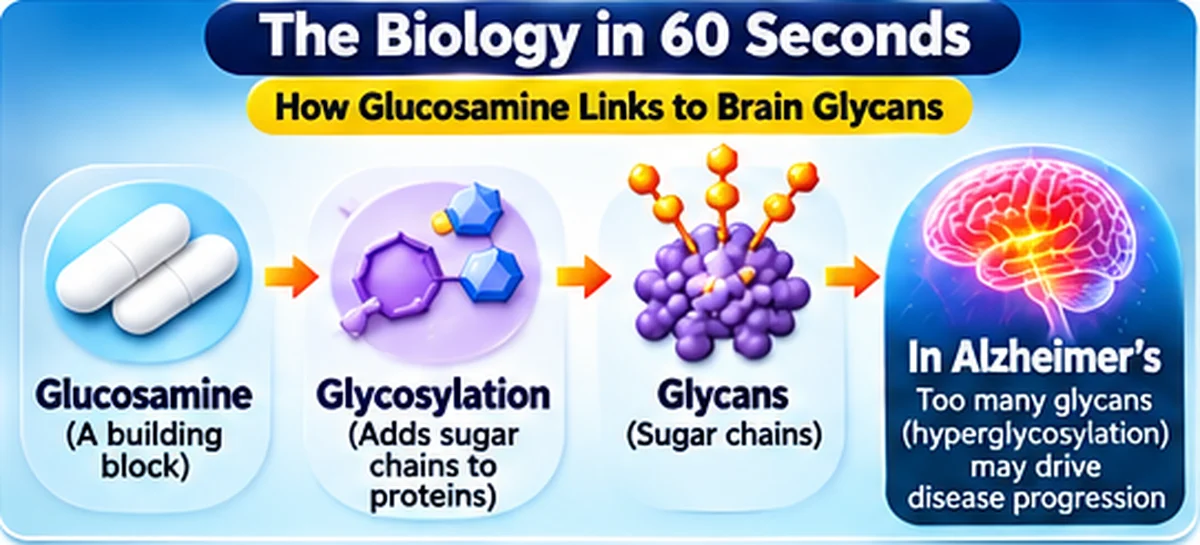
How glucosamine meets the glycan pathway
Switch between the two states to see the concept described in the study.
Illustrative concept: normal glycosylation is essential. The study reports excess glycan production in Alzheimer's models.
What the researchers did
Three strands of evidence
Spatial multiomics and isotope tracing were used to study N-glycans and their production.
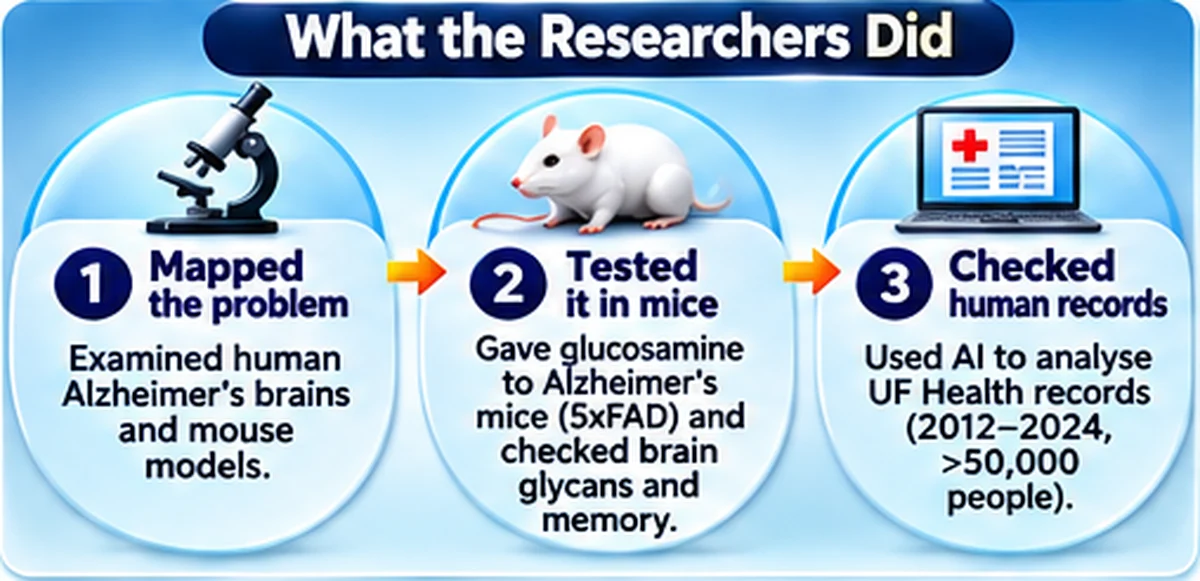
Tracing suggested increased new glycan biosynthesis, rather than only slower clearance.
Oral glucosamine was given daily for two weeks; social-recognition memory was then assessed.
Reducing glycan production by PGM3 knockdown or experimental NGI-1 improved memory measures in mice.
AI-assisted review of de-identified records identified more than 50,000 people in the relevant diagnostic groups.
For the analysis, 1,896 people with Alzheimer's-related dementia and 2,750 with MCI had documented glucosamine use.
Select a lane for an additional detail.
What the study found
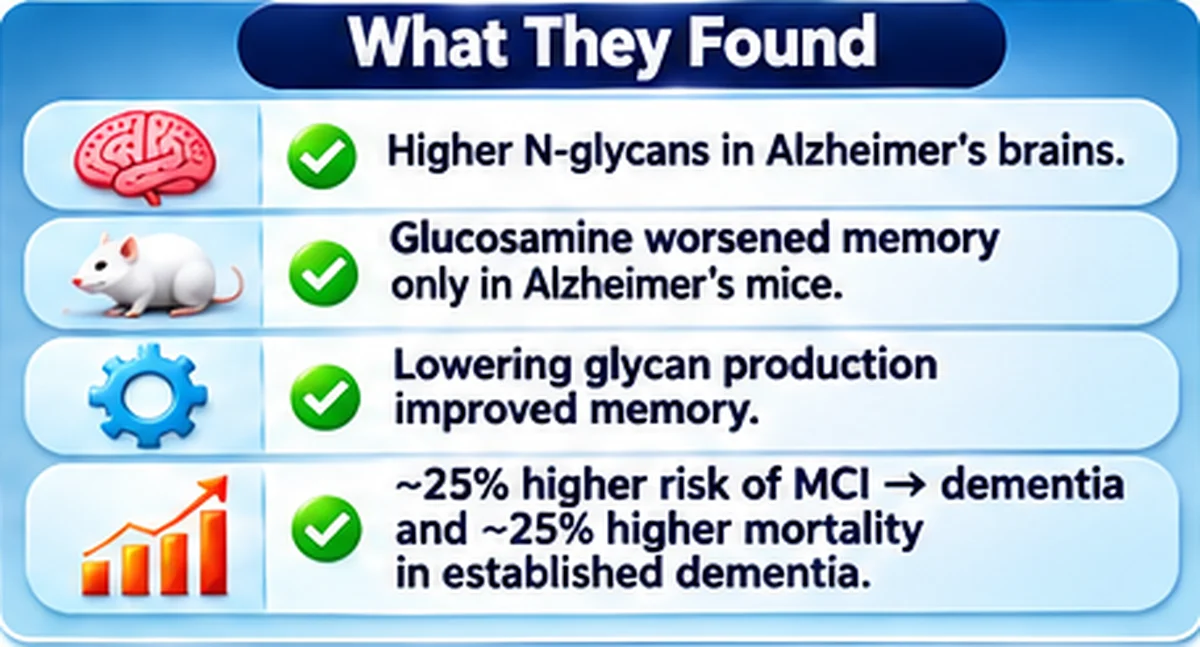
- More N-glycans: higher levels were found in human Alzheimer's brain tissue and mouse models.
- A disease-model effect: glucosamine increased brain glycans and worsened social memory in 5xFAD mice. The researchers did not see the same changes in healthy wild-type mice.
- Reducing glycan production helped in mice: genetic PGM3 knockdown and the experimental compound NGI-1 improved social-memory outcomes. These are research interventions, not established treatments for people.
- Human records showed associations: the study reported about a 25% higher MCI-to-ADRD transition and about a 25% higher mortality risk in the ADRD cohort among people with documented glucosamine use. No significant mortality difference was seen in the MCI group.
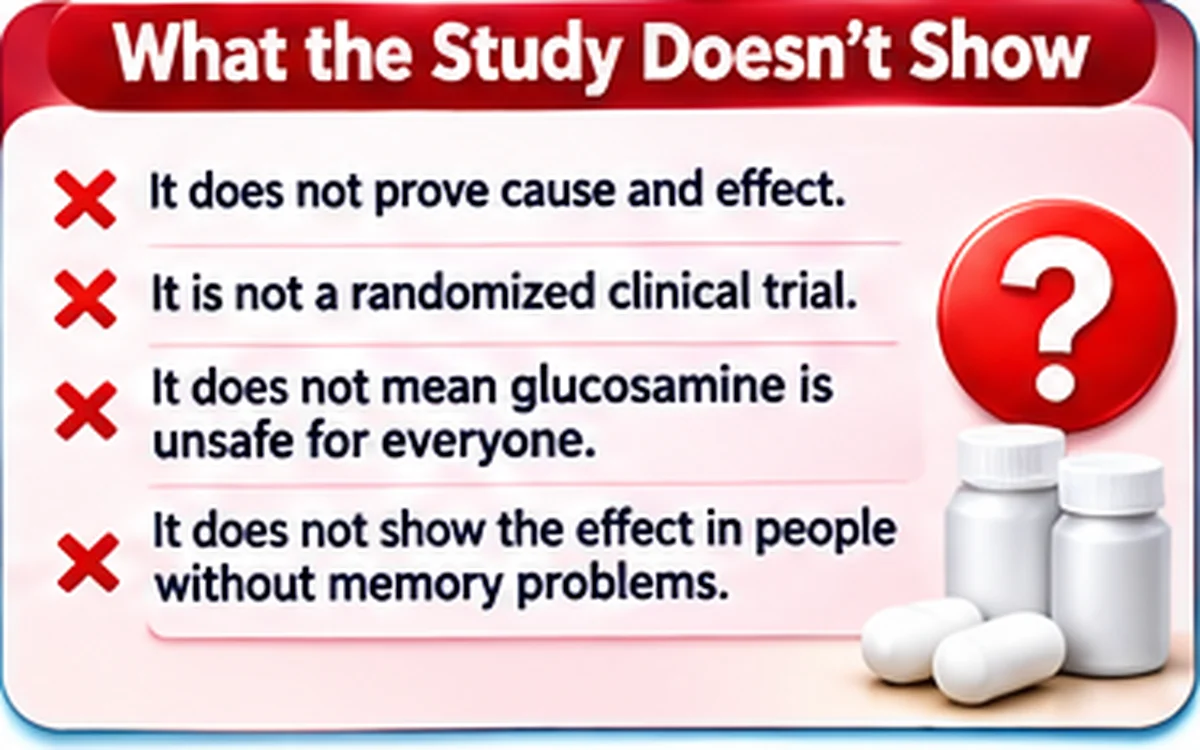
The mouse experiments support a possible mechanism. The patient-record analysis is observational. Neither establishes that glucosamine causes Alzheimer's disease or that stopping it changes an individual's outcome.
Reality check 1: the dose
The 5xFAD mice received 457 mg/kg/day by oral gavage for two weeks. The paper says this mouse dose was calculated from a human therapeutic-equivalent dose of approximately 2,500 mg/day (about 36 mg/kg/day), then converted for mice. For an 80 kg adult, 36 mg/kg/day would be about 2.9 g/day. Many commonly used glucosamine regimens are around 1.5 g/day.
Putting the dose in context
Illustrative comparison based on the paper's 36 mg/kg/day human-equivalent scaling and an 80 kg example. It is not a recommended dose or a direct prediction of human risk.
High-dose animal experiments can help reveal mechanisms, but animal-to-human dose conversion is an approximation. It does not show that a particular supplement dose produces the same brain exposure or effect in people.
Reality check 2: what the human records can—and cannot—tell us
- Association, not proof: the researchers used retrospective health records, not a randomised trial.
- How use was identified: glucosamine exposure was extracted from clinical notes and prescription records, with documented use for at least one year after a dementia diagnosis. The records do not establish exact dose, formulation or day-to-day adherence.
- Confounding: arthritis severity, pain, mobility, frailty, other illnesses and other medicines may differ between people who do and do not use glucosamine. Statistical adjustment cannot remove every possible difference.
- Relative figures: “25% higher” is a relative association. It is not a 25-percentage-point increase and does not tell an individual their absolute risk.
- Population: the dementia analysis included Alzheimer's disease and related dementias (ADRD), not only a single uniform Alzheimer's-only group.
The paper describes more than 50,000 initially identified patients. After applying analysis criteria, it reports 24,481 people in the ADRD cohort and 41,884 in the MCI cohort for survival analysis. The glucosamine-user counts were 1,896 and 2,750 respectively.
Reality check 3: earlier studies do not all agree
Earlier observational research has reported mixed findings. A UK Biobank analysis of 494,814 participants associated regular glucosamine use with lower dementia risk. Another study in older adults found a lower risk of vascular dementia but no statistically significant association with Alzheimer's disease. A further large prospective cohort found no association with dementia or Parkinson's disease.
These studies have different populations, exposure measurements and methods. They are also observational, so they do not prove that glucosamine prevents dementia or that it is harmless in every situation. Their disagreement is a reason to avoid a definitive conclusion.
Evidence check: how strong is each claim?
| Question | Evidence available | Interpretation |
|---|---|---|
| Do Alzheimer's brains show excess glycans? | Human brain tissue, mouse models and isotope tracing | Moderate laboratory evidence |
| Can glucosamine worsen memory in Alzheimer's-model mice? | One mouse model, two-week experiment | Preliminary animal evidence |
| Is glucosamine linked to faster decline in people with MCI or dementia? | One retrospective health-record analysis | Low-certainty observational evidence |
| Does standard-dose glucosamine harm people? | No randomised clinical trial answering this question | Unknown |
Where does the evidence stand?
A simple evidence map—not a formal GRADE assessment.
What this means in practice
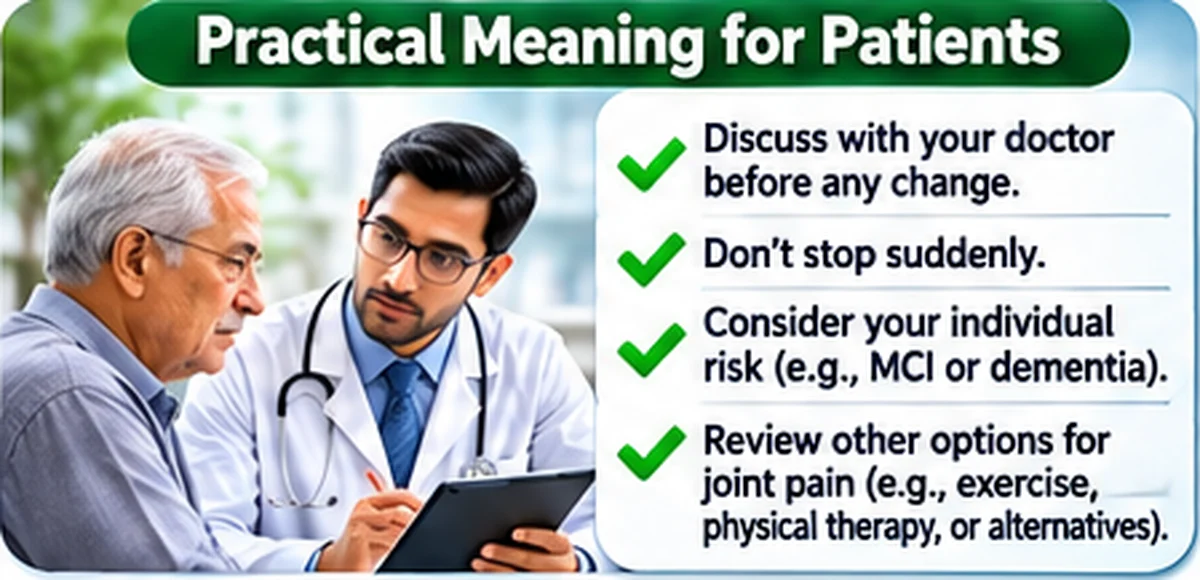
- People with MCI or dementia and their carers: include glucosamine in the next medicine and supplement review. Ask the treating doctor or pharmacist whether continuing it is appropriate. Do not make the decision alone.
- Healthy adults: this study alone is not a reason to panic or independently stop a supplement. It also does not establish a protective effect.
- Pharmacists: ask about supplements during medication reviews, document the product and reported use, and refer individual decisions to the prescriber when appropriate.
“A new study has raised a question about glucosamine in people who already have memory problems. It does not prove harm, but it is worth reviewing with your doctor or pharmacist.”
What to watch next
The key next step is prospective research that records dose, duration, formulation, cognitive status and osteoarthritis in a consistent way, followed by appropriately designed clinical trials. Glycan metabolism is an interesting research target, but the compounds used in the mouse experiments are experimental—not medicines for routine human use.
Bottom line
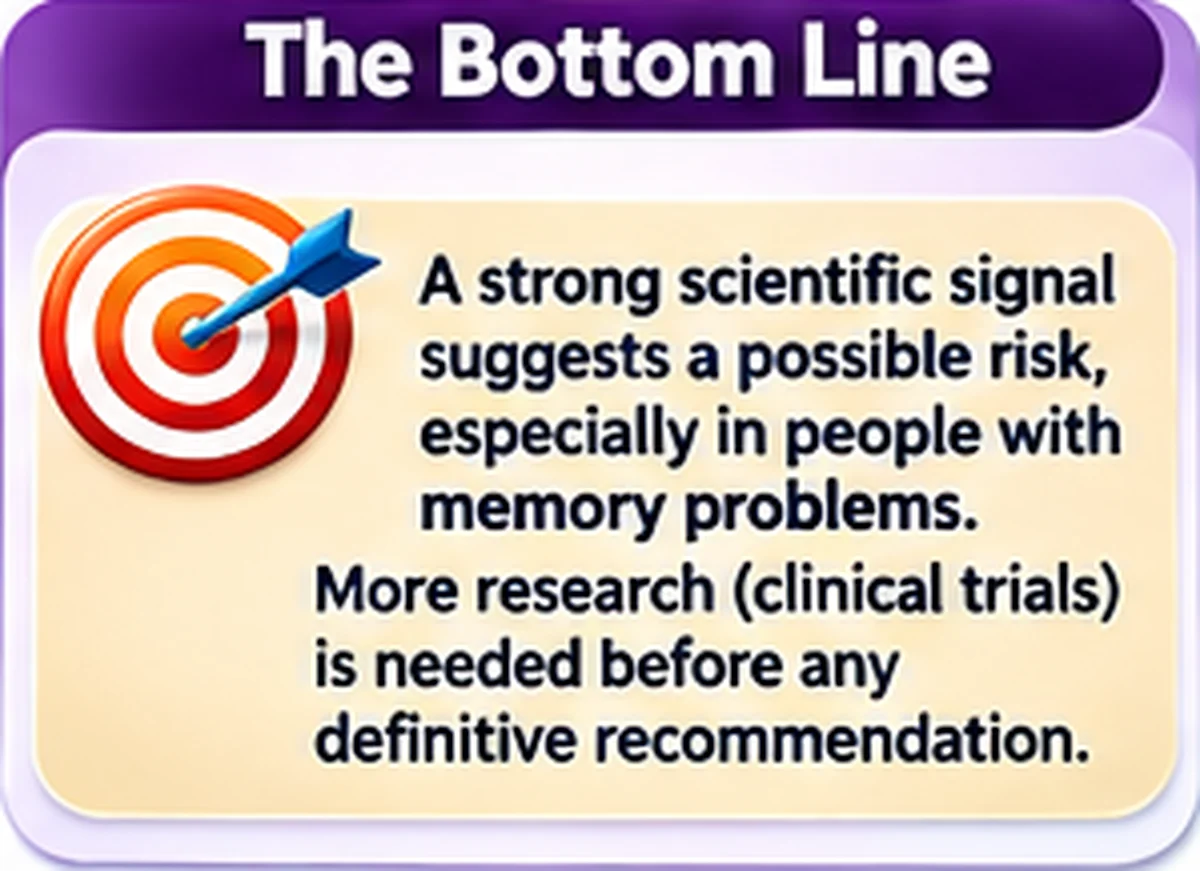
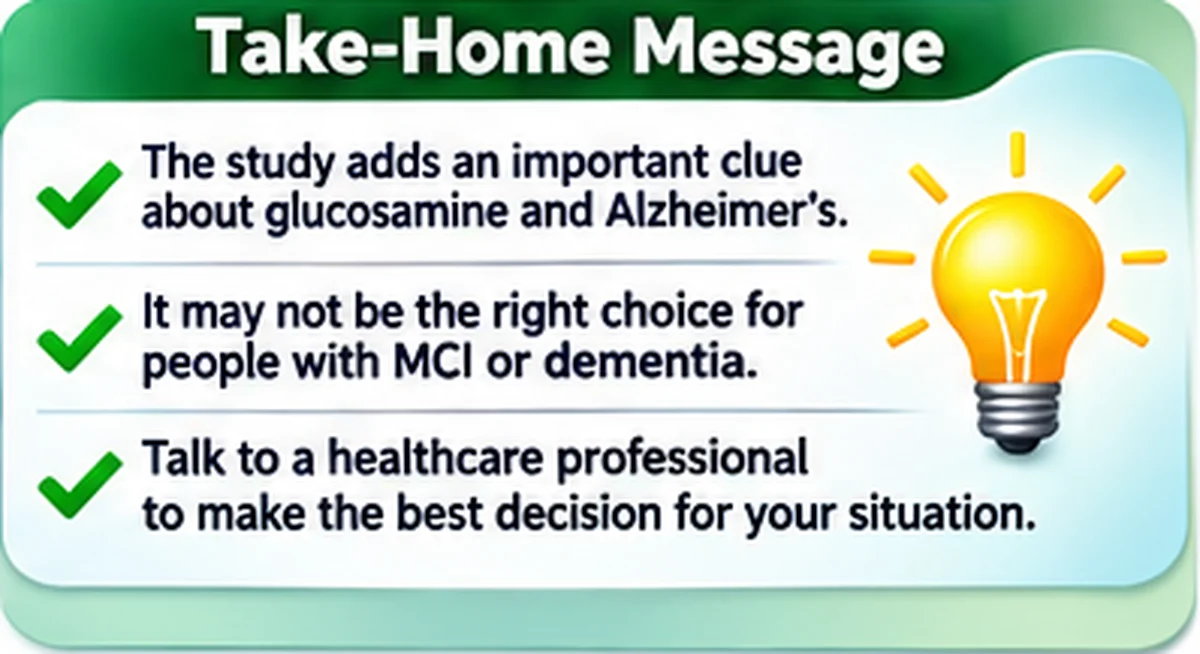
The study offers a biologically plausible warning signal in Alzheimer's-model brains and an association in retrospective patient records. It does not demonstrate that standard-dose glucosamine supplements cause or accelerate Alzheimer's disease in people. For now, this is an open research question—not a proven danger and not a proven protection.
Frequently asked questions
Does glucosamine cause Alzheimer's disease?
This study does not prove that. It found effects in Alzheimer's-model mice and associations in patient records.
Should I stop taking glucosamine?
If you or someone you care for has MCI or dementia, discuss it with the treating doctor or pharmacist. Do not change a treatment plan based only on a blog article.
What is hyperglycosylation?
It means an increased amount or production of sugar chains (glycans) attached to proteins. The study reported this pattern in Alzheimer's brain tissue and models.
What dose did the mice receive?
457 mg/kg/day by oral gavage for two weeks. The authors describe this as corresponding to a human therapeutic-equivalent dose of about 2,500 mg/day (approximately 36 mg/kg/day).
What does “25% higher” mean?
It is a relative association reported in the observational analysis, not a 25-percentage-point increase in absolute risk and not proof of causation.
Was the paper peer reviewed?
It was published in Nature Metabolism on 9 June 2026.
References
- Hawkinson TR, et al. Hyperglycosylation is a metabolic driver of Alzheimer's disease. Nature Metabolism. 2026;8(6):1410–1425. doi:10.1038/s42255-026-01538-4.
- University of Florida. Study links joint pain supplement to accelerating dementia. 9 June 2026. Research summary.
- Brown B. Glucosamine and Alzheimer's: A New Warning Signal, but Not a Verdict. Nutritional Medicine Institute, 13 August 2026. Commentary.
- Zheng J, et al. Association of regular glucosamine use with incident dementia. BMC Medicine. 2023;21:114. doi:10.1186/s12916-023-02816-8.
- Zhou C, et al. Habitual glucosamine use, APOE genotypes, and risk of incident cause-specific dementia. Alzheimer's Research & Therapy. 2023;15:152. doi:10.1186/s13195-023-01295-6.
- Ai B, et al. No associations between glucosamine supplementation and dementia or Parkinson's disease. J Gerontol A Biol Sci Med Sci. 2024;79(2):glad123. doi:10.1093/gerona/glad123.
Disclaimer
Educational content for general information only. It does not replace individual medical advice, diagnosis or treatment. Talk to a doctor or pharmacist before starting or stopping any medicine or supplement.
About the author

Sayedul Abrar
A Grade Pharmacist · Registration Code: A-22040
Product Executive, Product Management Department (PMD) · Opsonin Pharma Ltd.