 Sayedul Abrar
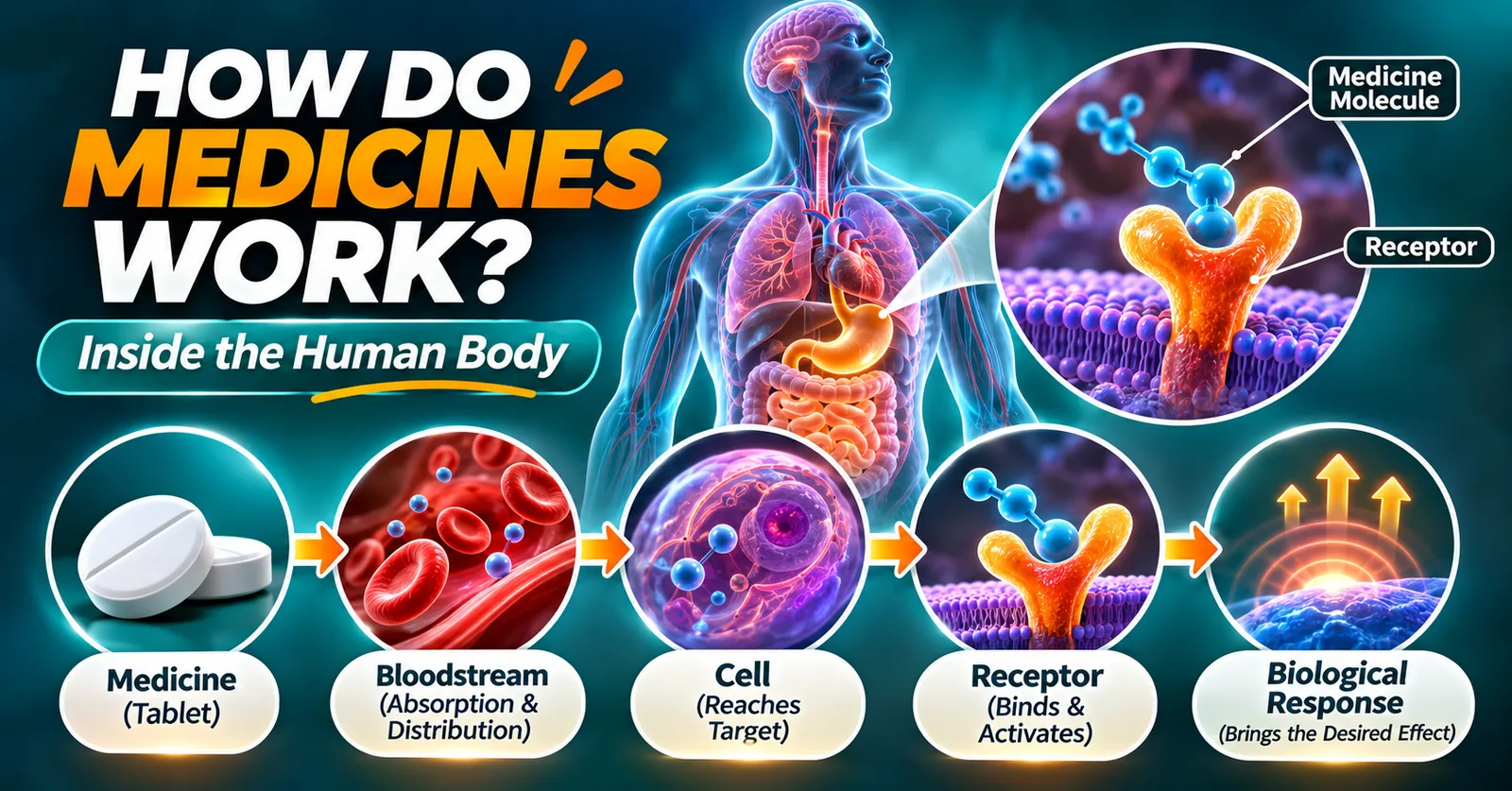
Have you ever wondered how a small tablet can reduce pain, lower blood pressure, control blood sugar or relieve allergy symptoms? The tablet does not simply travel to the part of the body that hurts and repair it. Its active ingredient takes part in a series of chemical and biological events.
Let us follow a medicine from the moment it enters the body to the moment it produces an effect.
1. What is pharmacology?
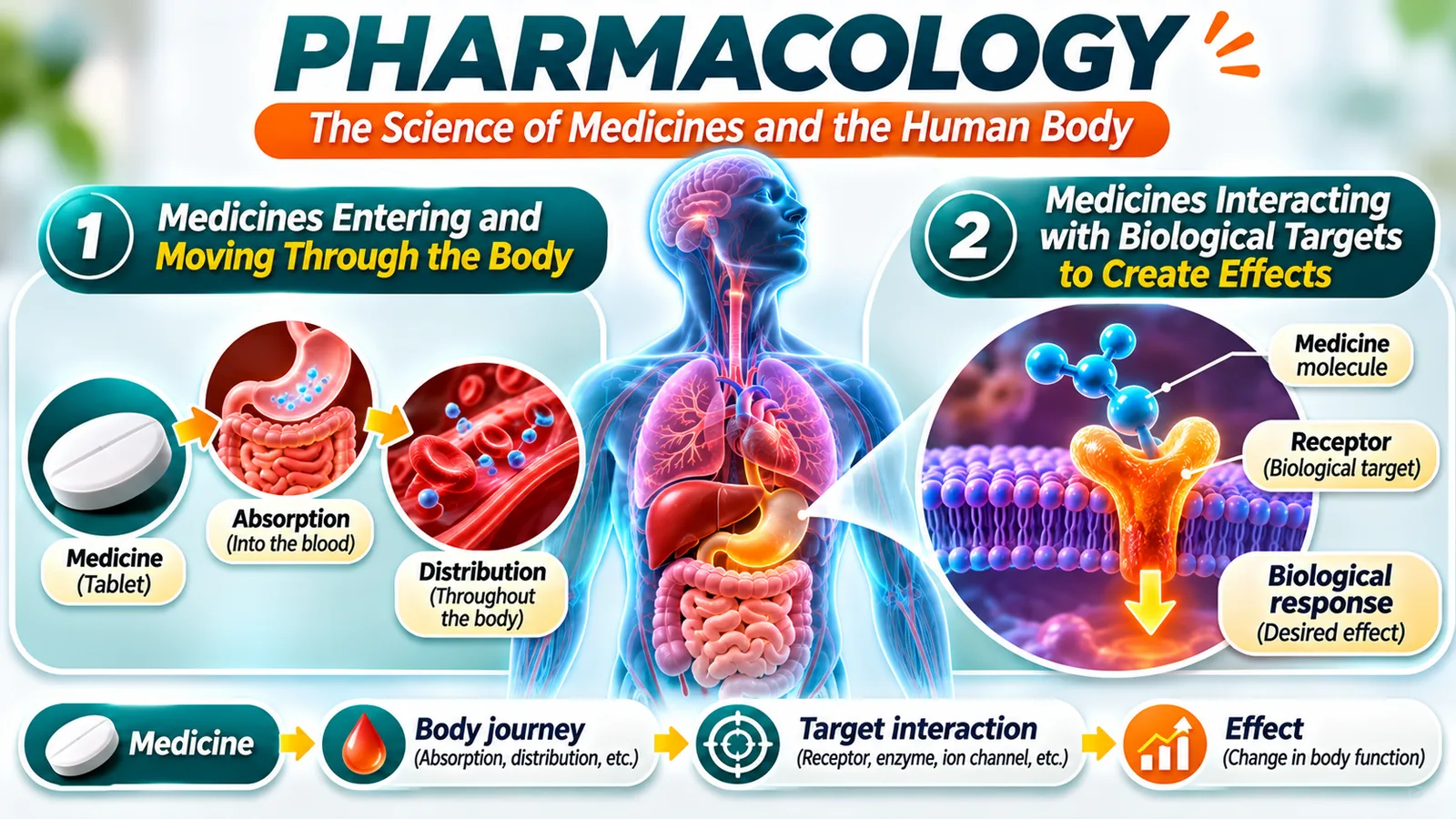
Pharmacology is the science of drugs and how they interact with living systems. Two important branches help us understand the process:
- Pharmacokinetics (PK): what the body does to the medicine—how it is absorbed, distributed, metabolised and eliminated.
- Pharmacodynamics (PD): what the medicine does to the body—how it interacts with targets and produces biological effects.
Remember it this way: PK = the body's journey with the drug; PD = the drug's effect on the body.
Pharmacokinetics vs Pharmacodynamics: what is the difference?
These two branches answer different questions. Pharmacokinetics (PK) describes the medicine’s journey through the body and how its concentration changes over time. Pharmacodynamics (PD) describes how the medicine interacts with biological targets and what response follows.
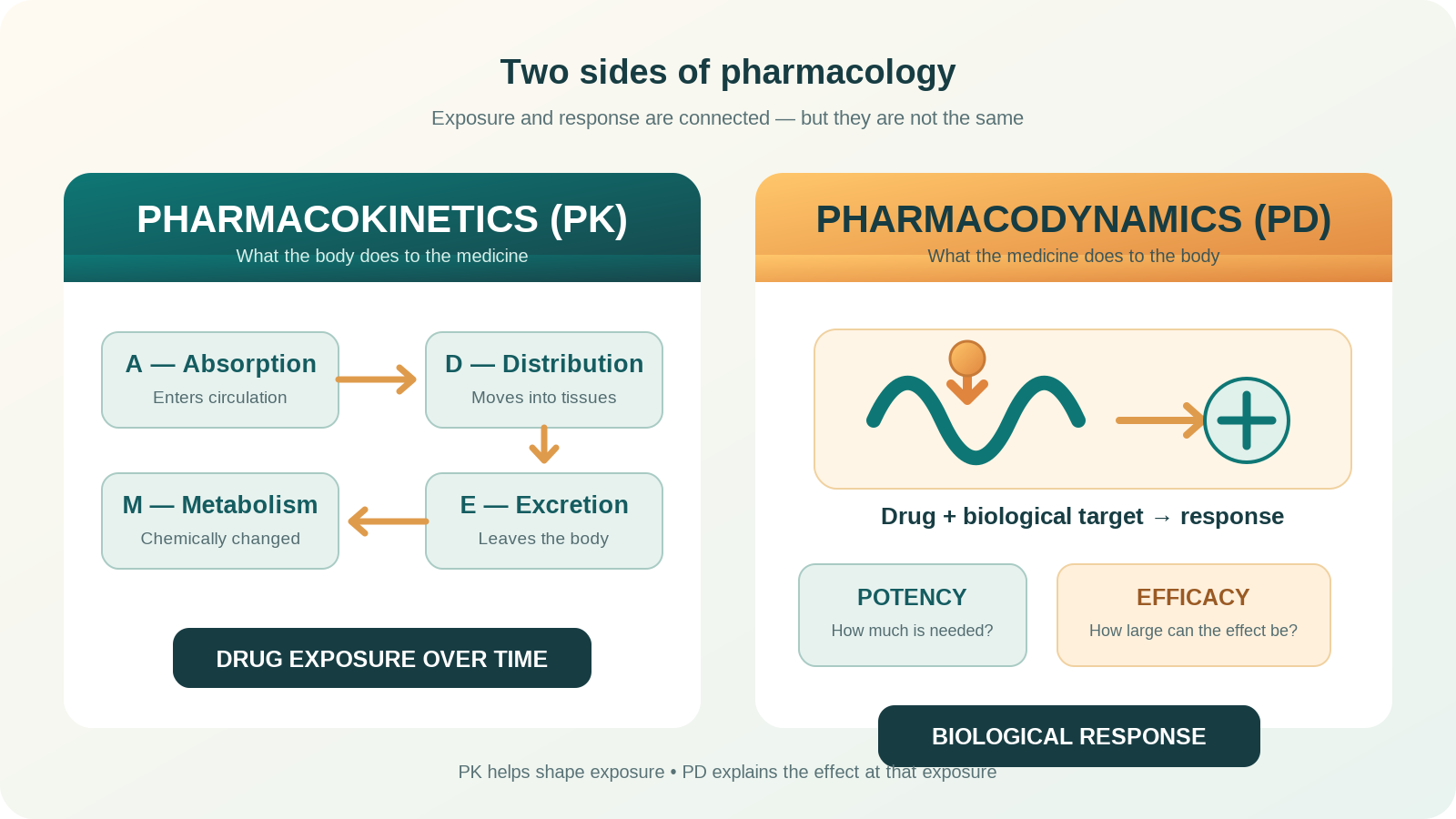
- PK = exposure: ADME, bioavailability, clearance, volume of distribution and half-life.
- PD = response: drug targets, mechanism of action, concentration–response, potency and efficacy.
| Comparison | Pharmacokinetics (PK) | Pharmacodynamics (PD) |
|---|---|---|
| Main question | What does the body do to the medicine? | What does the medicine do to the body? |
| Core focus | Movement and concentration over time | Target interaction and biological effect |
| Common concepts | ADME, bioavailability, clearance, half-life | Mechanism of action, EC50, Emax, potency, efficacy |
| Practical use | Helps explain exposure and dosing considerations | Helps explain desired effects and adverse responses |
Potency vs efficacy: a pharmacodynamic distinction
Potency describes how much drug (or what concentration) is needed to produce a specified effect. Efficacy describes the maximum effect a drug can produce in a defined system. A more potent medicine is not automatically more efficacious, more effective in every patient or safer.
How do PK and PD work together?
PK helps determine the concentration of a medicine at its site of action over time; PD helps explain the effect associated with that concentration. The relationship can be influenced by active metabolites, delayed responses, tolerance, disease and individual biology. Plasma concentration is also not always identical to concentration at the target site.
For example, when a person takes an oral blood-pressure medicine, PK considers how much is absorbed, where it distributes and how it is eliminated. PD considers the biological target affected and how that interaction changes blood pressure. Both perspectives are needed to understand the overall response.
2. Pharmacokinetics: the ADME journey
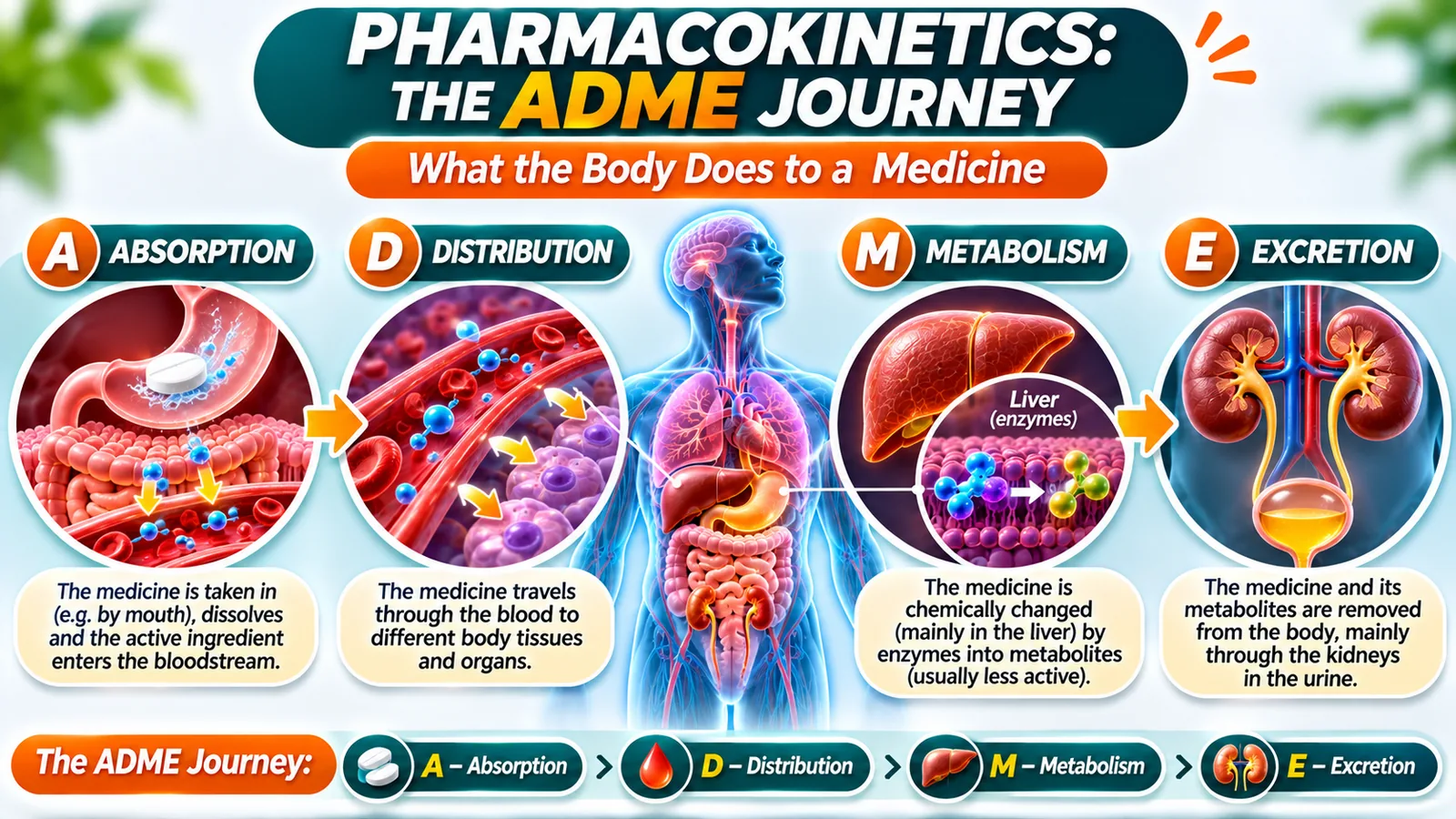
After a medicine is taken, the body handles it through processes commonly grouped as ADME: Absorption, Distribution, Metabolism and Excretion. These stages can overlap; they are not always four separate steps happening one after another.
A — Absorption: getting into the bloodstream
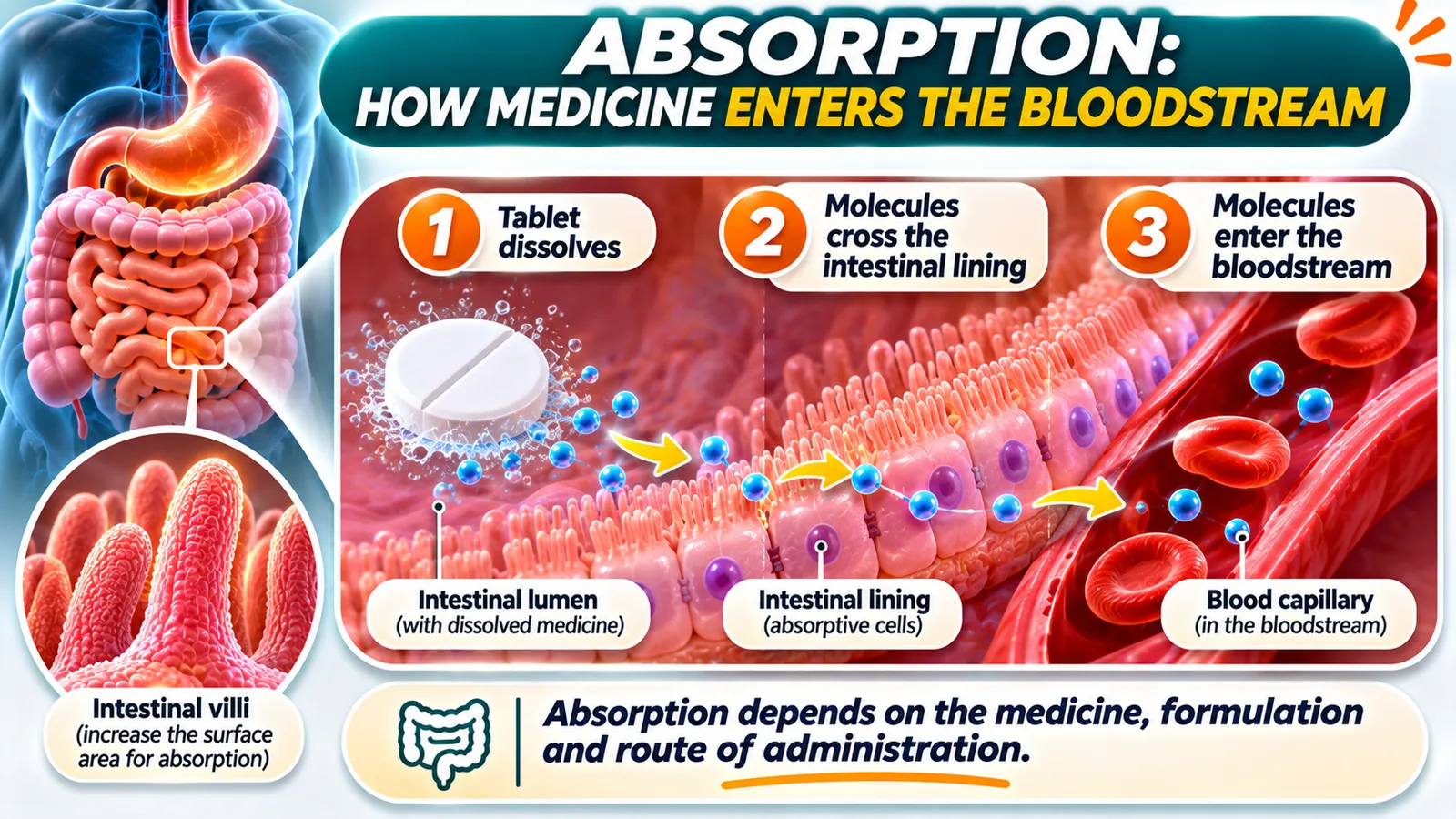
Absorption is the movement of a medicine from its administration site into the bloodstream. For an oral tablet, it usually has to disintegrate, dissolve and cross the lining of the gastrointestinal tract before reaching systemic circulation. The amount and speed of absorption can be affected by the formulation, food, gut conditions and other medicines.
Not every medicine is swallowed. Injections, inhalers, skin patches, creams and sublingual products use different routes, so their absorption patterns differ.
D — Distribution: travelling around the body
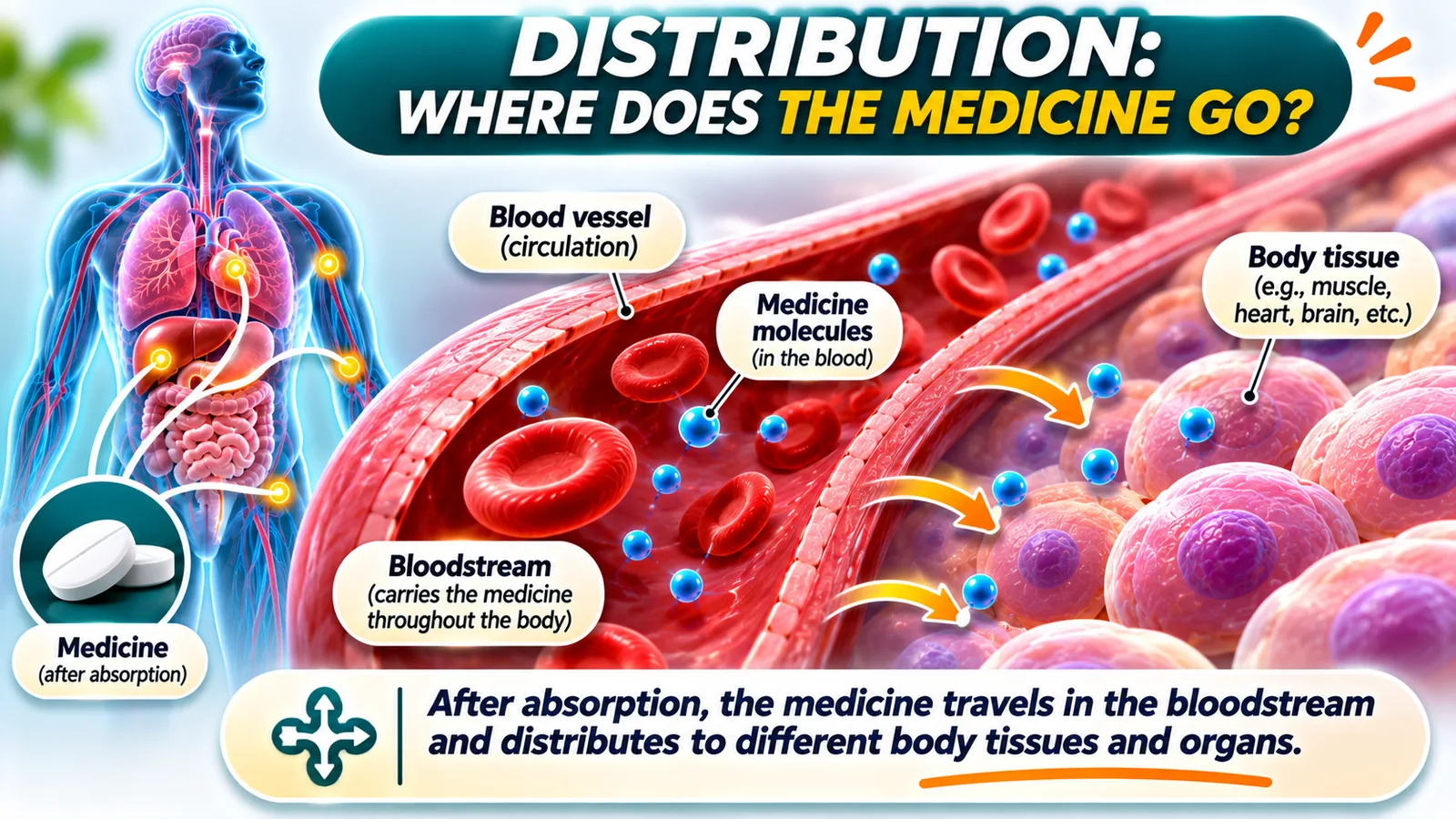
Once in the circulation, a medicine may move into tissues and body fluids. Distribution depends on factors such as blood flow, tissue permeability, fat and water solubility, and binding to plasma proteins. A medicine can only produce many of its effects when enough active drug reaches its site of action.
M — Metabolism: chemical change
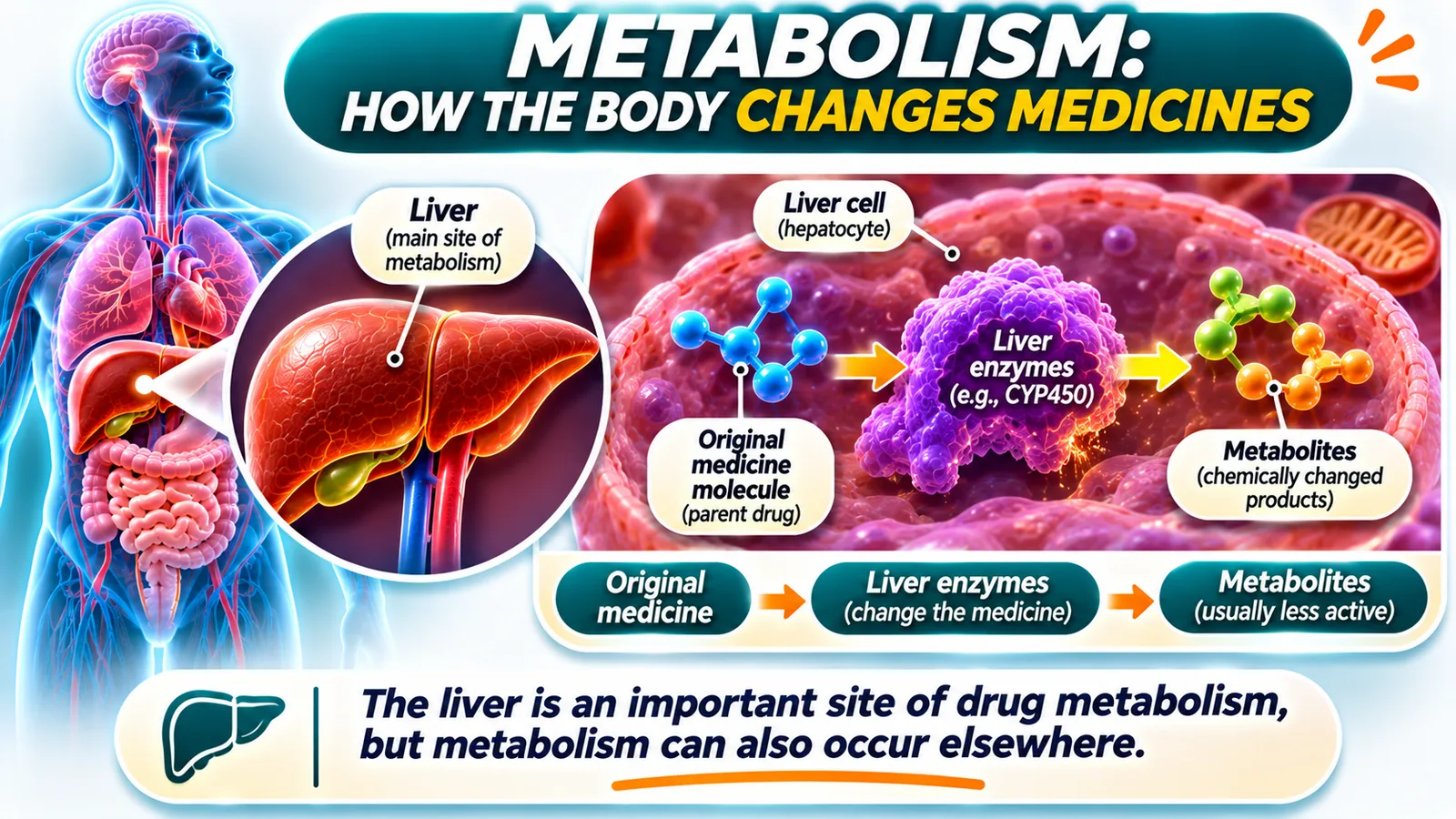
Metabolism is the chemical modification of a medicine by the body. The liver is an important site, although metabolism can also occur in the gut, blood, kidneys and other tissues. Enzymes may convert a medicine into metabolites that are less active, inactive or sometimes active. Some medicines are prodrugs: they need metabolic conversion to become active.
E — Excretion: leaving the body
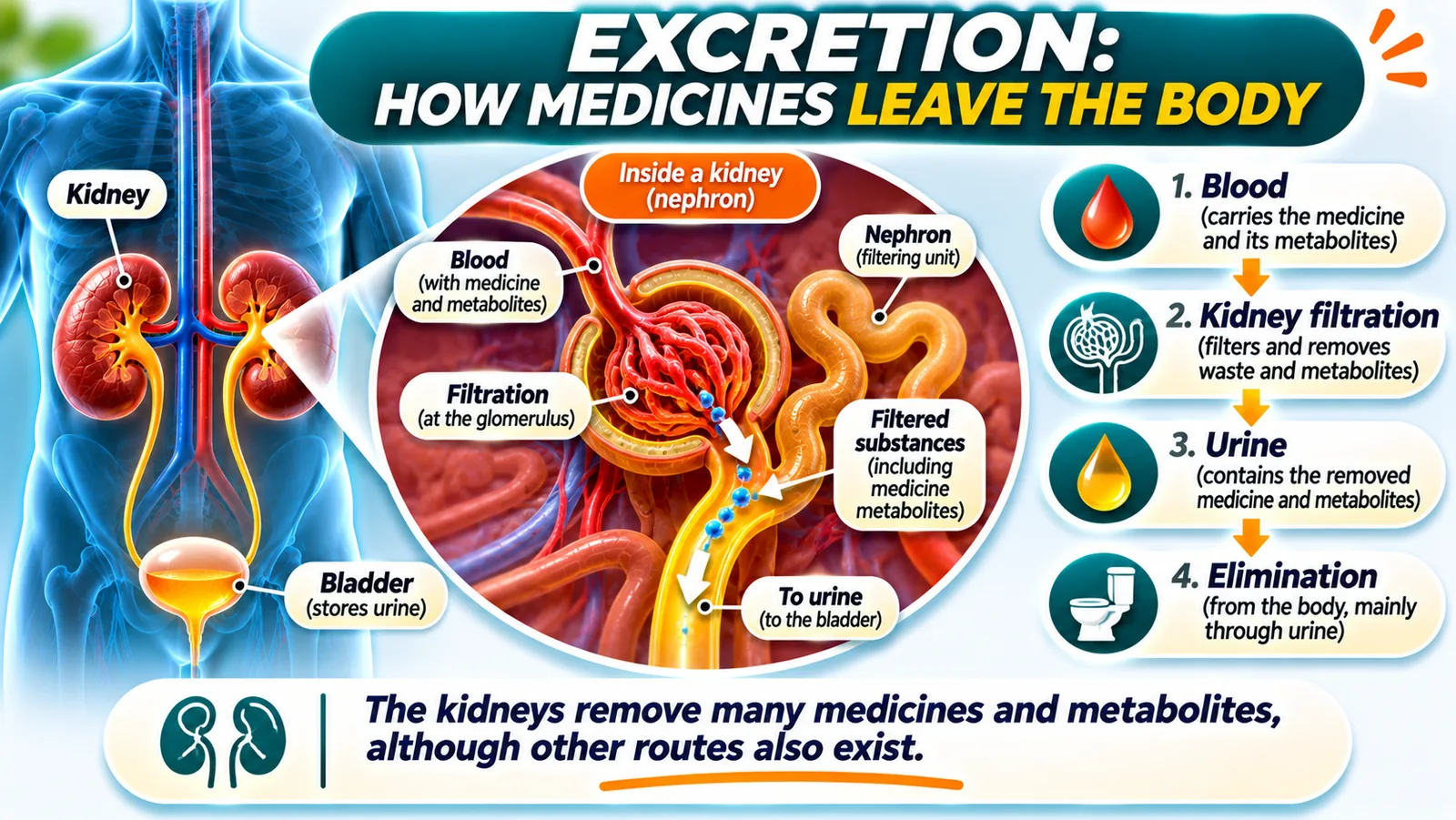
Excretion is the removal of a medicine or its metabolites. The kidneys commonly remove substances through urine; other routes include bile and faeces, lungs, sweat and breast milk. Kidney or liver impairment can change medicine handling, so dose selection may need professional review.
3. Pharmacodynamics: how medicines create an effect
A medicine's active ingredient interacts with a biological target. Targets can include receptors, enzymes, ion channels, transporters or other molecules. The interaction changes a biological process, which may lead to a clinical benefit—or an unwanted effect.
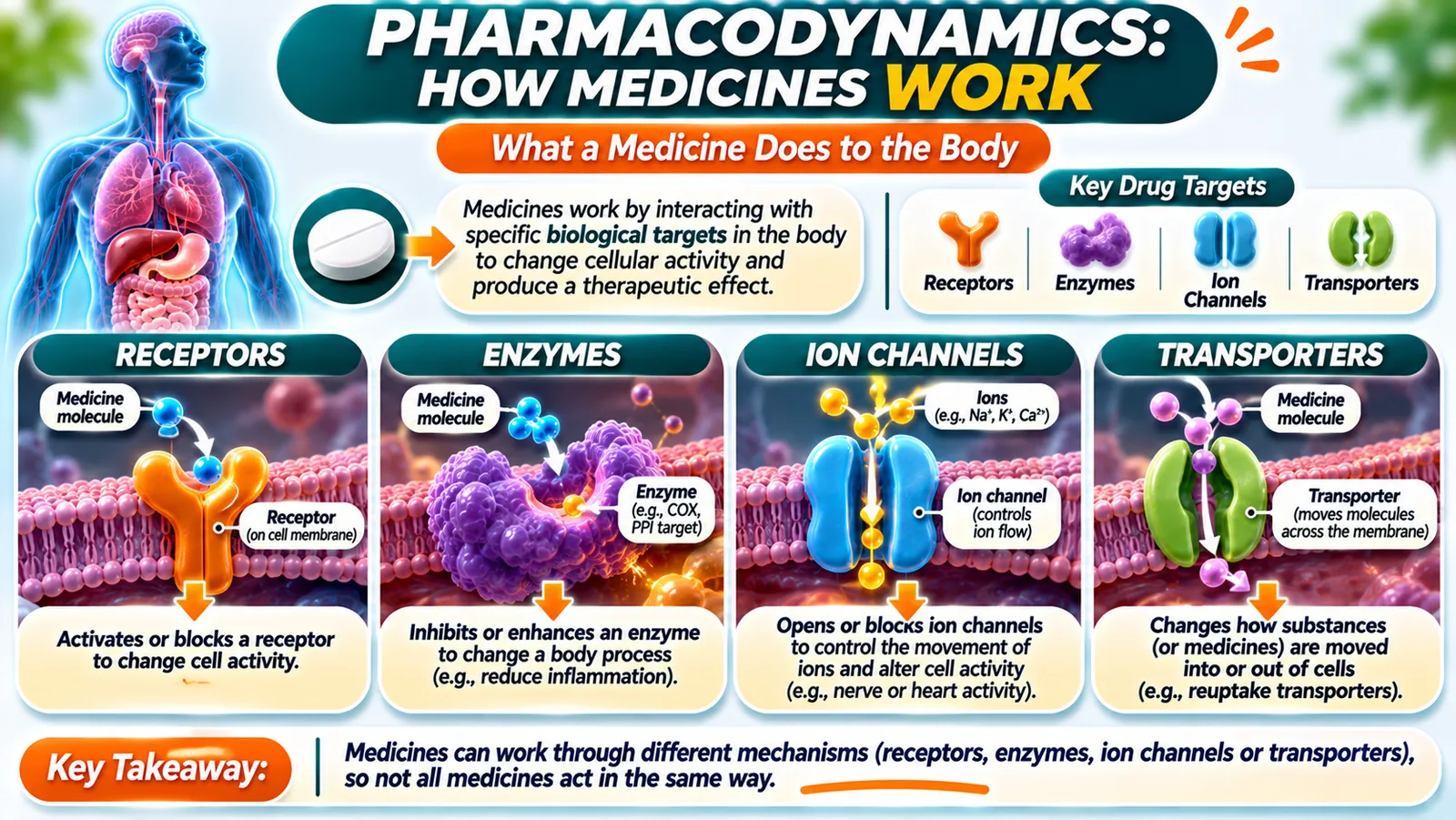
Receptors: the signal switches
Receptors are proteins that receive chemical signals. Some medicines act as agonists, activating a receptor and producing a response. Others act as antagonists, binding to a receptor and preventing activation by another substance.
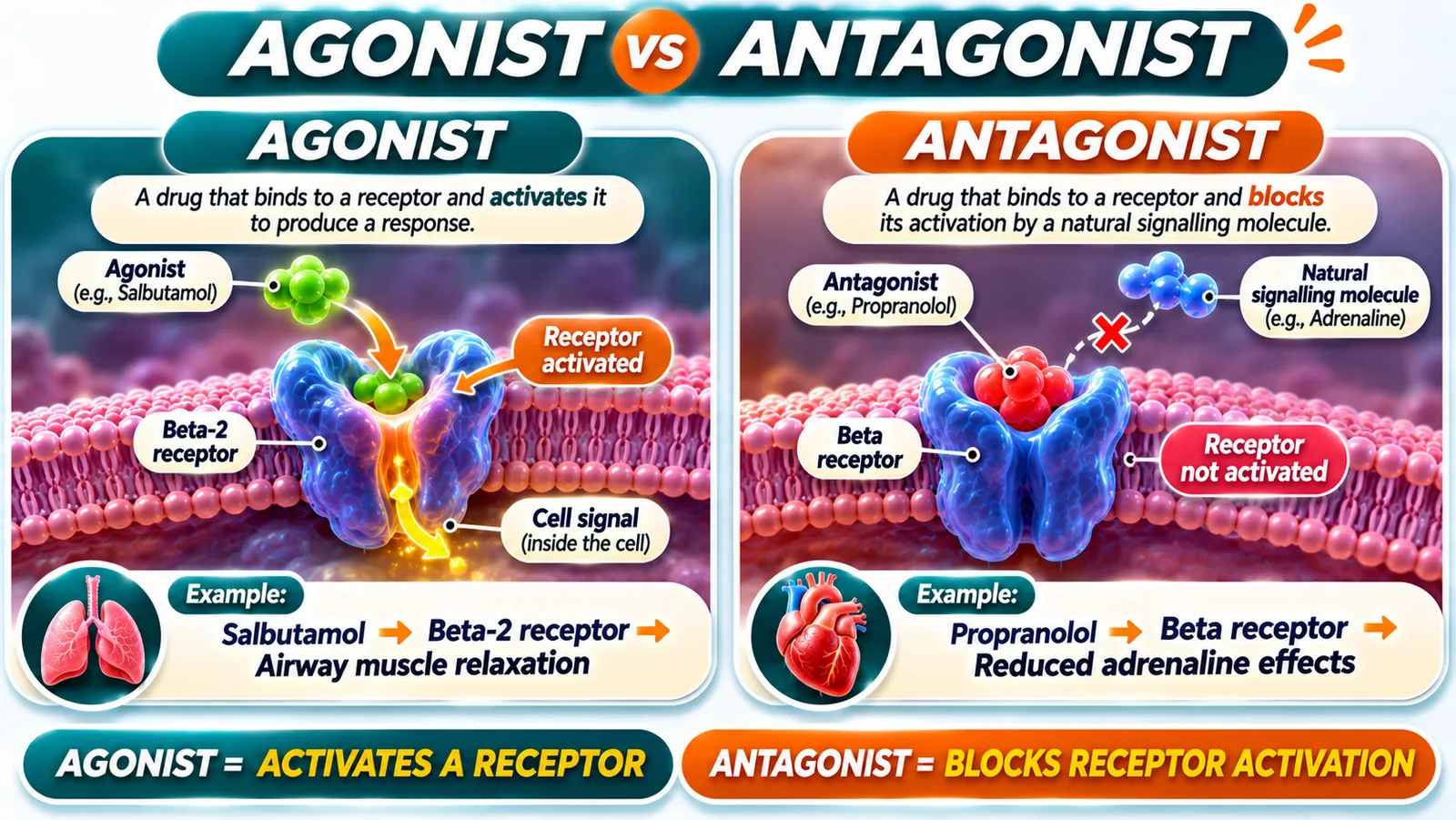
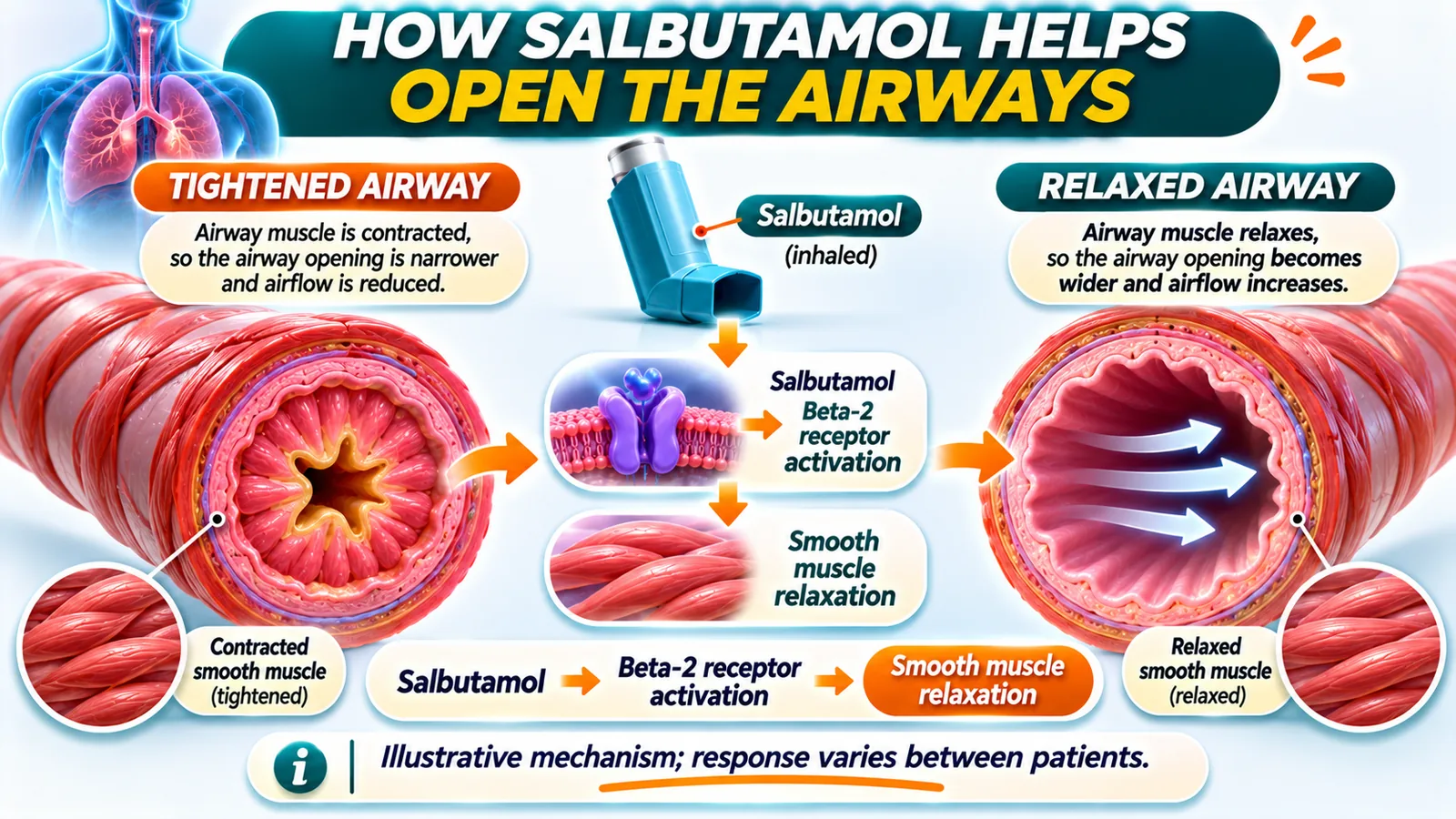
A familiar agonist example is salbutamol, commonly used in inhalers for asthma-related bronchospasm. It activates beta-2 receptors in the airway muscles, helping those muscles relax and the airways open. In simple terms, it switches on a receptor signal that helps make breathing easier.
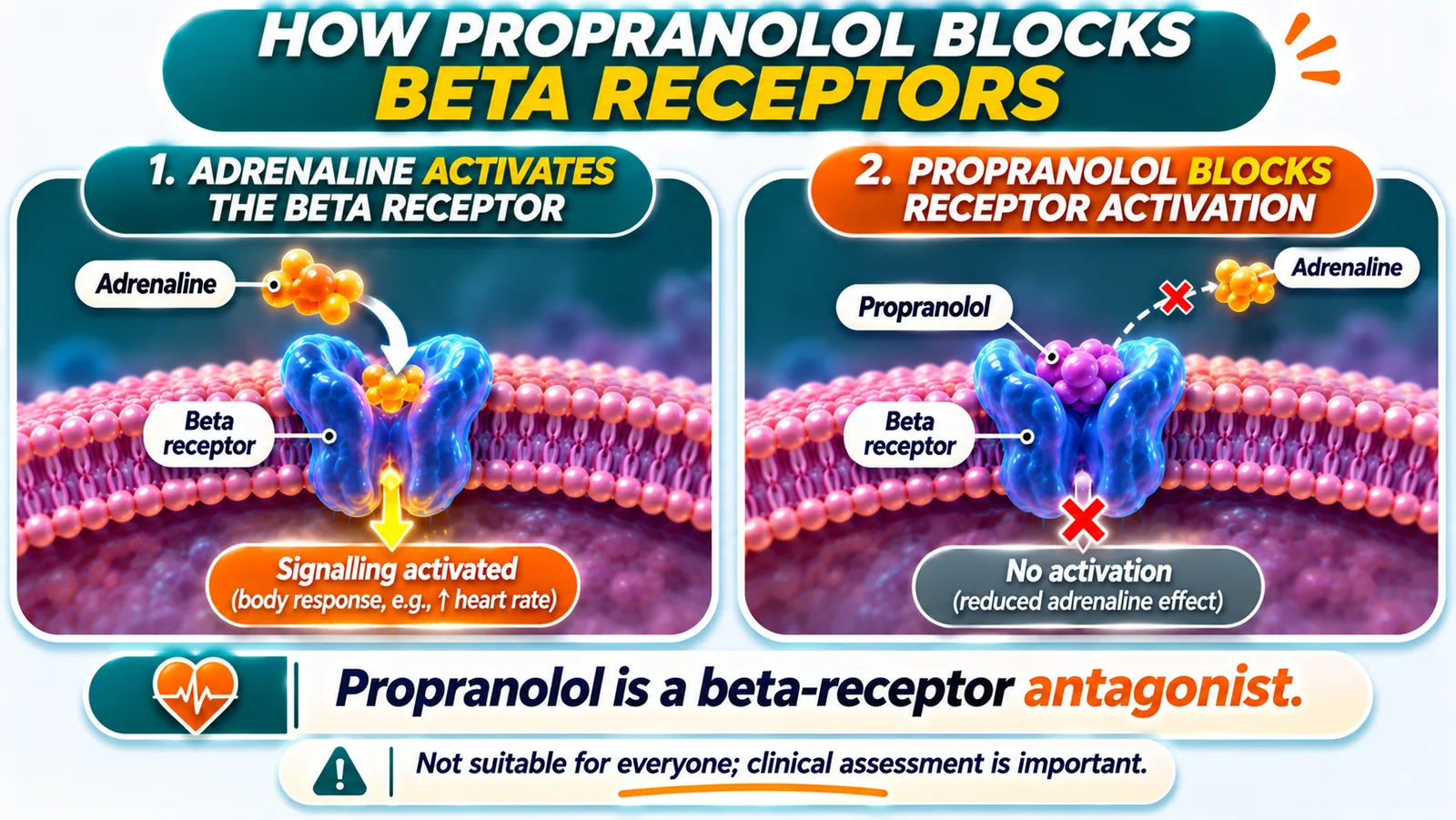
A familiar antagonist example is propranolol, a beta-receptor blocker prescribed for selected conditions such as certain fast heart rhythms, high blood pressure or migraine prevention. It occupies beta receptors and reduces the effects of adrenaline and noradrenaline. It is not suitable for everyone—for example, it may be inappropriate in some people with asthma—so treatment decisions belong with a qualified clinician.
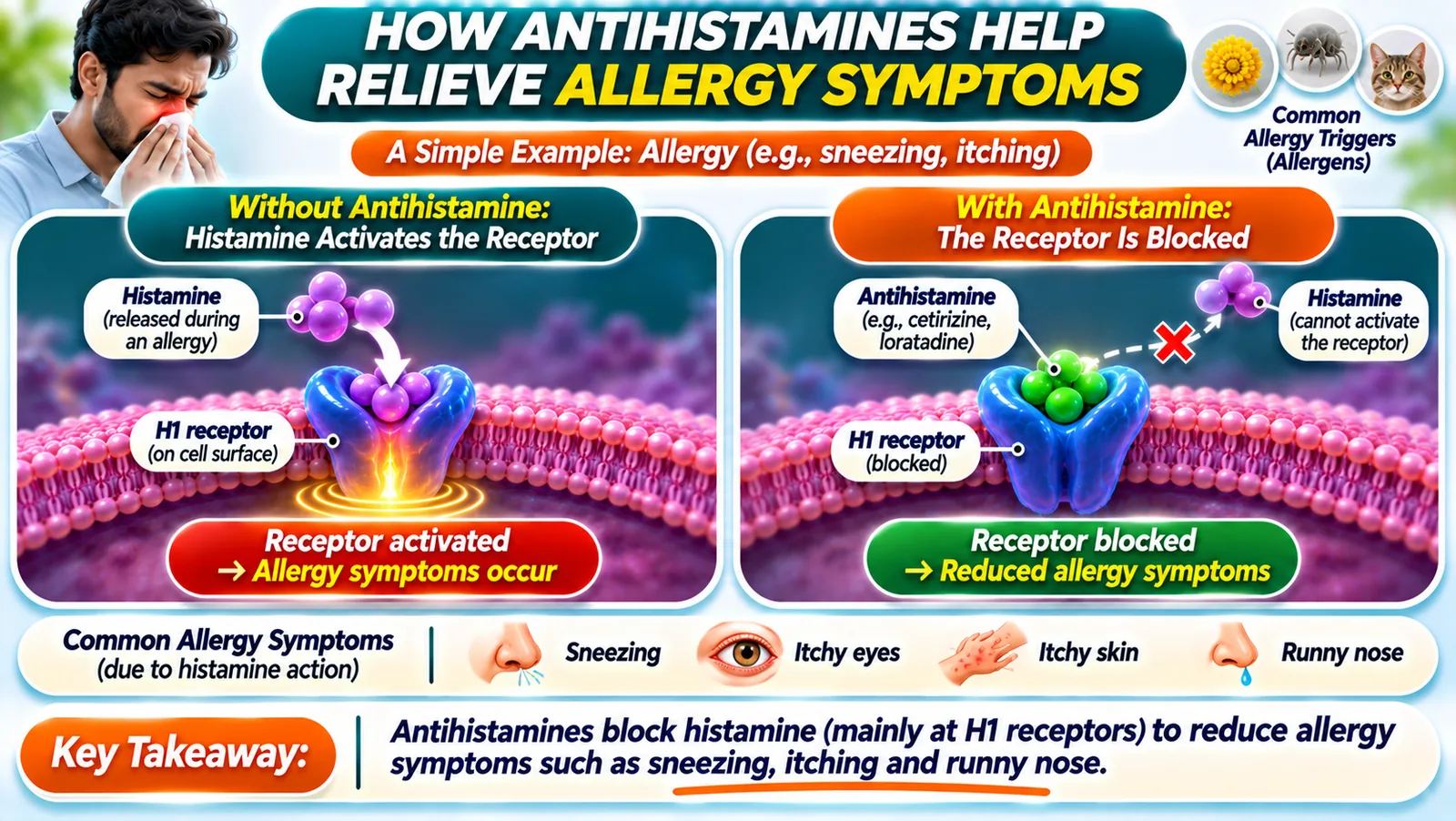
Another everyday example is cetirizine, an antihistamine used for allergy symptoms such as itching and sneezing. It blocks H1 histamine receptors. A useful scientific detail: many modern H1 antihistamines are more precisely described as inverse agonists rather than simple neutral antagonists. For beginner-level learning, they are often called H1 blockers. They can reduce some symptoms, but not every symptom disappears and antihistamines do not all work identically.
Enzymes: speeding up or slowing down reactions
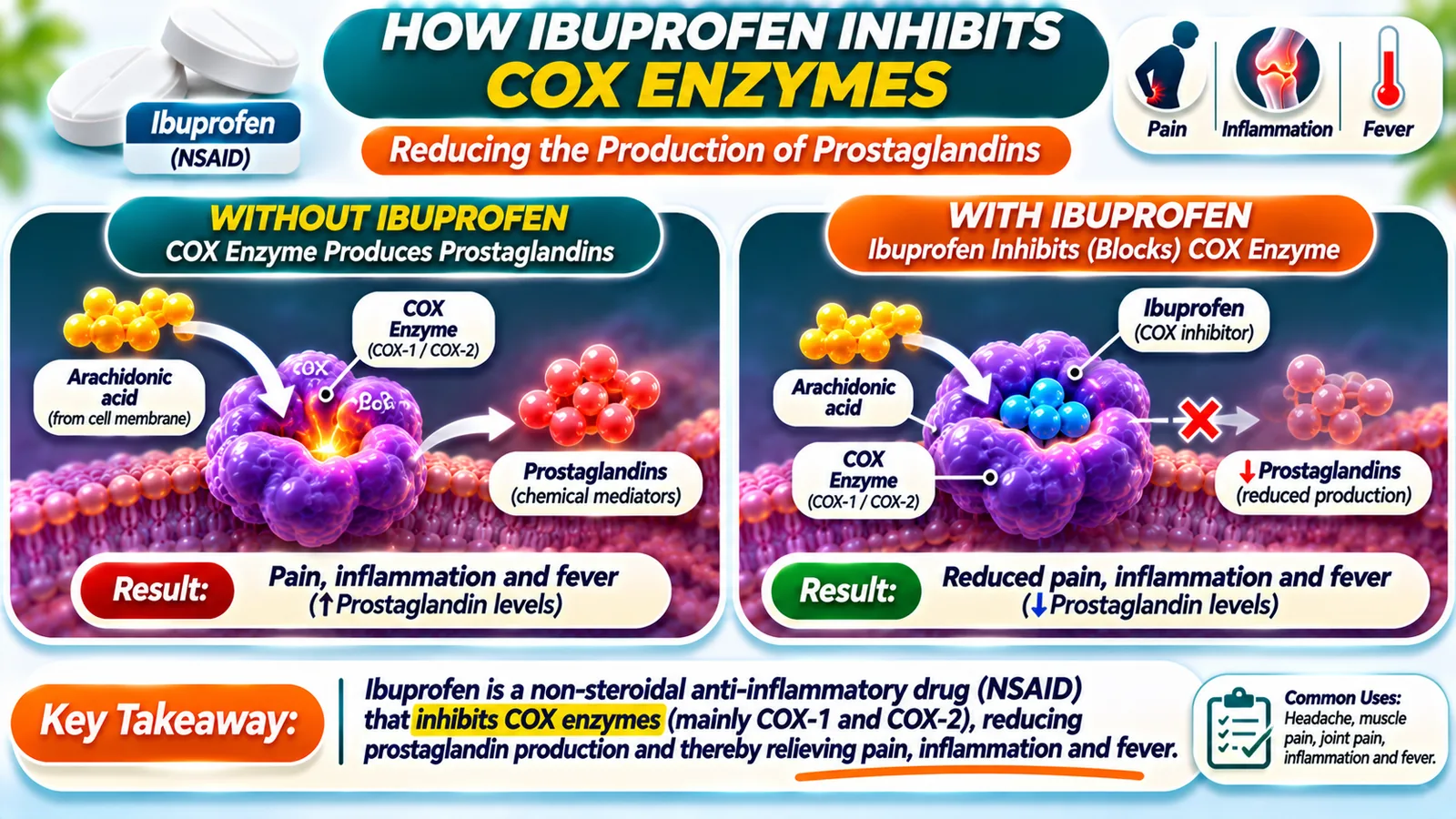
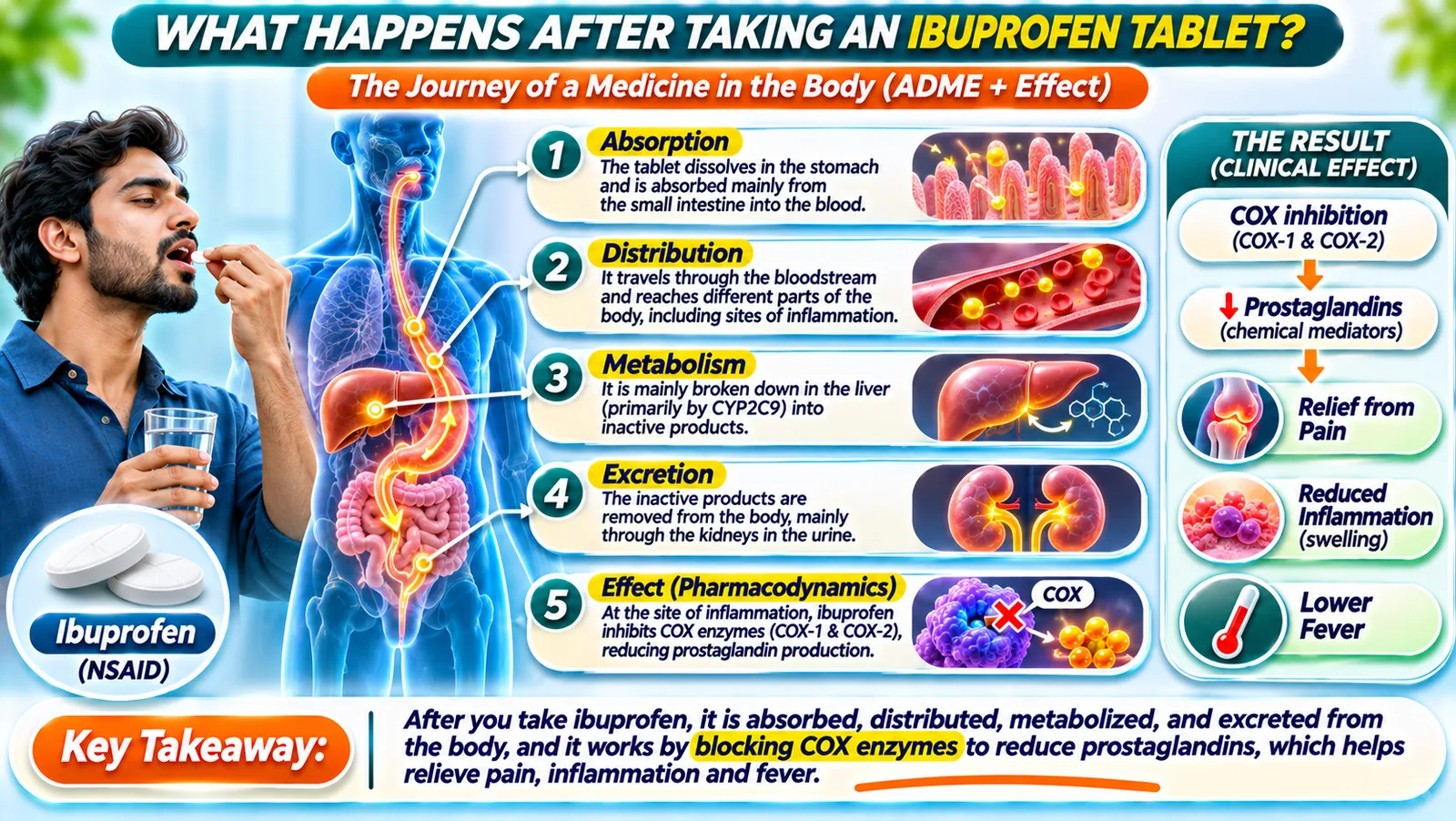
Enzymes help the body carry out chemical reactions. Some medicines inhibit an enzyme, reducing the production of a substance or slowing a pathway. For example, ibuprofen inhibits cyclo-oxygenase (COX) enzymes, reducing prostaglandin synthesis and helping relieve pain and inflammation. This mechanism also helps explain possible adverse effects, including stomach irritation and kidney-related risks in susceptible people.
Ion channels and transporters
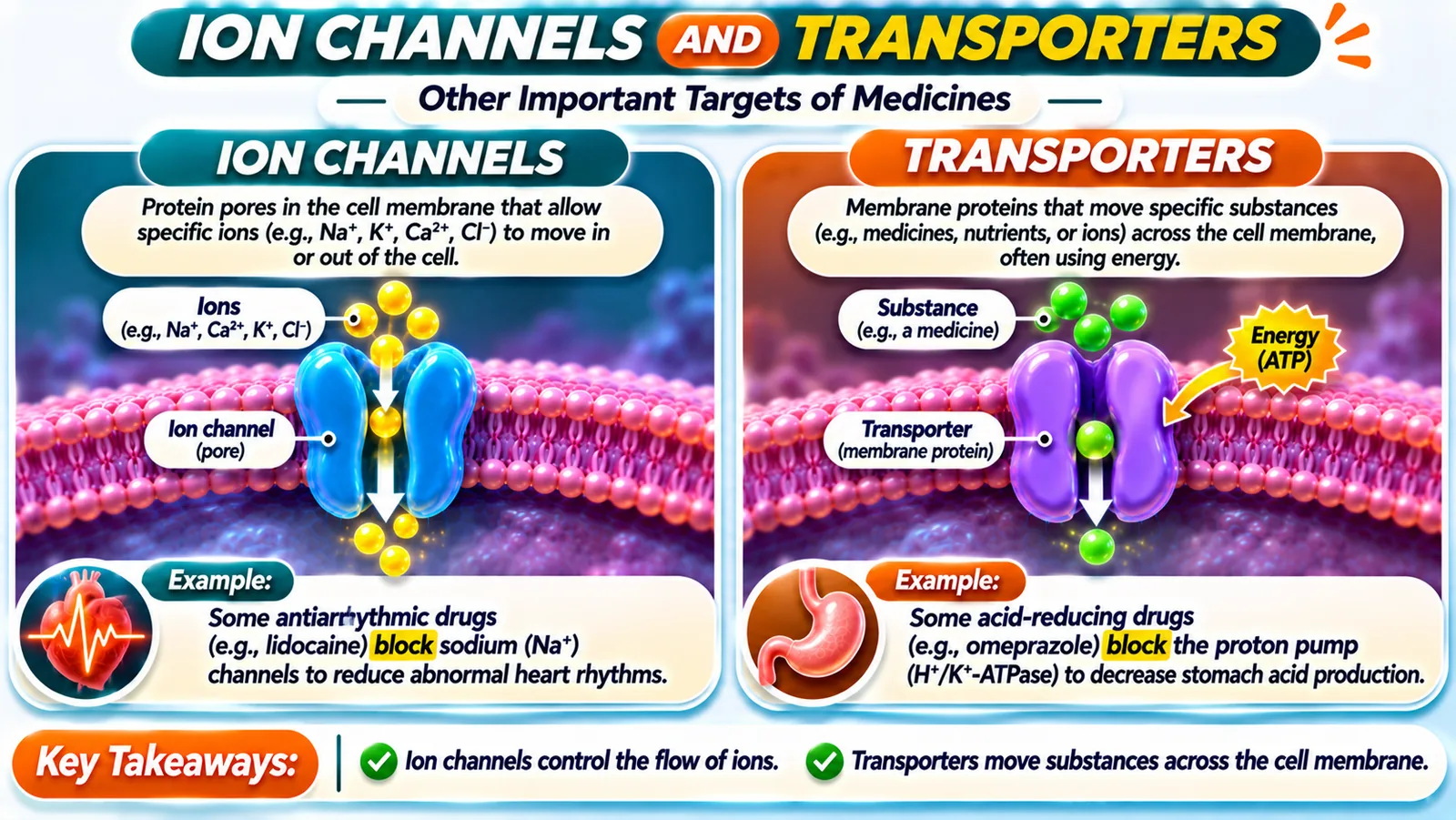
Ion channels control the movement of charged particles such as sodium, potassium and calcium across cell membranes. Some medicines alter these channels and change electrical activity in nerves, muscles or the heart. Transporters move substances across membranes; medicines can block or use these systems to change how substances are taken up or removed.
4. Why does the same medicine affect people differently?
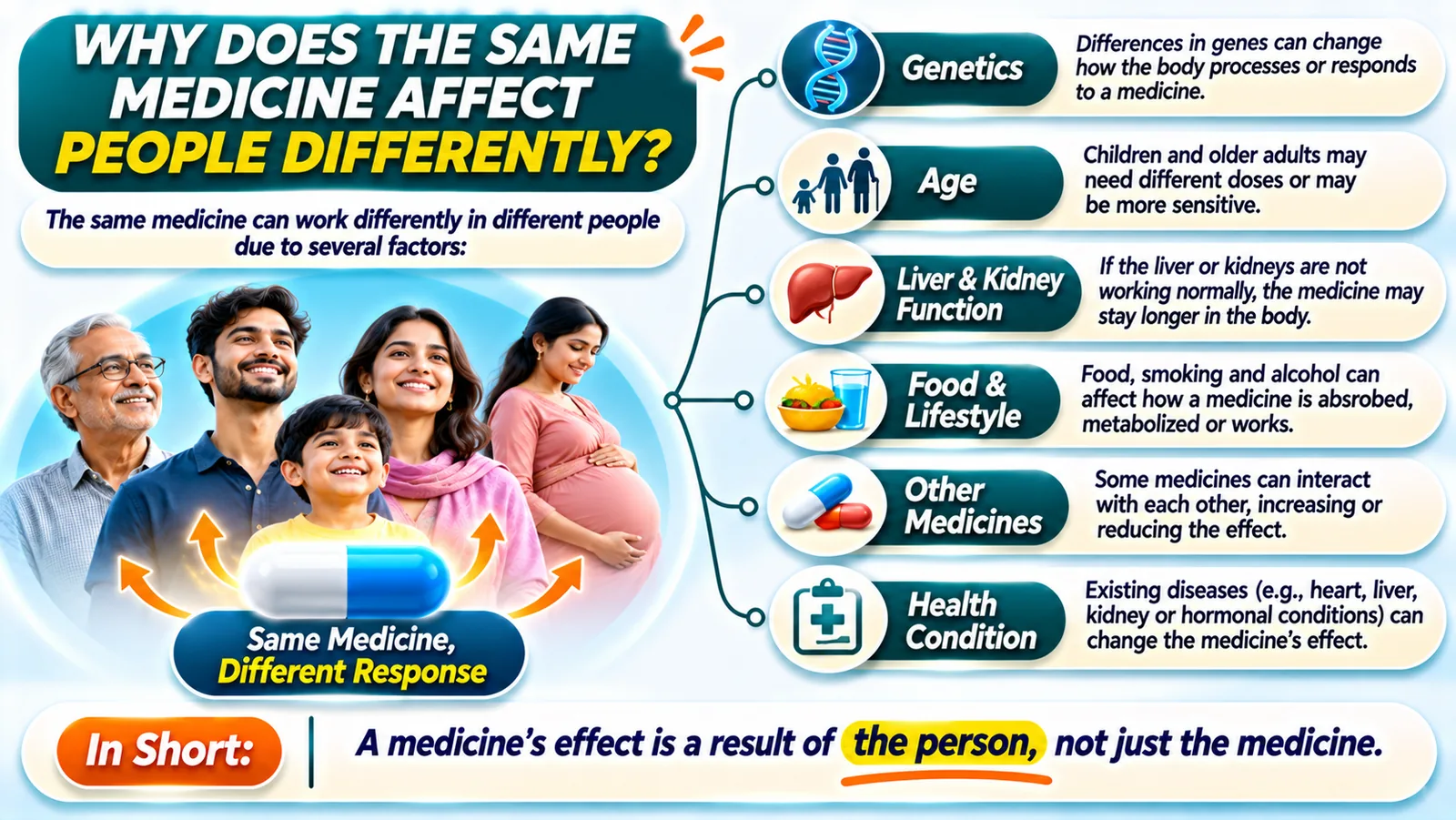
A medicine's effect is not determined by the name on the pack alone. Responses can vary with:
- Age, body size and body composition.
- Kidney and liver function.
- Genetic differences in drug-metabolising enzymes or targets.
- Other medicines, supplements, food and alcohol.
- The disease being treated, its severity and the patient's overall health.
- Dose, dosage form, route and timing.
Two people taking the same medicine at the same dose may therefore experience different benefits or side effects. This is one reason treatment should be individualised by an appropriately qualified healthcare professional.
5. Dose, concentration and response
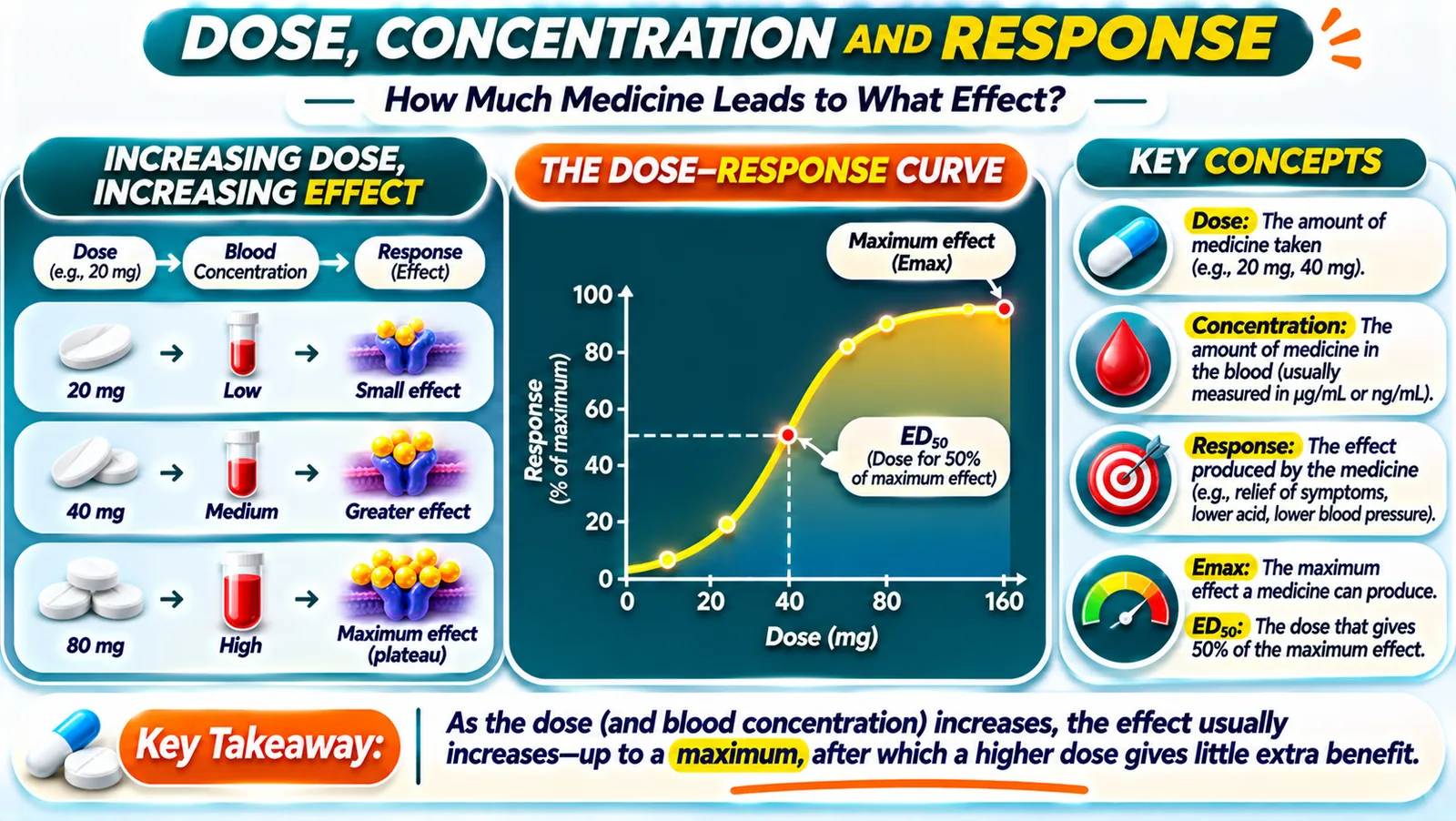
In general, changing a dose can change the amount of medicine available in the body and may change its effect. But doubling a dose does not necessarily double the benefit. Many medicines have a range in which they are effective, and beyond that range extra exposure may add risk rather than benefit.
Potency describes how much drug is needed to produce a particular effect; efficacy describes the maximum effect a drug can produce in a given system. These are different ideas. A more potent medicine is not automatically a better or safer medicine.
Some medicines also have a narrow therapeutic index, meaning the difference between an effective exposure and a harmful one can be relatively small. Such medicines may require careful dose adjustment or monitoring.
6. A practical example: what happens after taking a pain-relief tablet?
Consider an oral ibuprofen tablet as a simplified example. After swallowing it, the tablet releases ibuprofen in the gastrointestinal tract. The drug is absorbed into the bloodstream, distributed to tissues and reaches enzymes involved in prostaglandin production. By inhibiting COX enzymes, it reduces prostaglandin formation, which can reduce pain, fever and inflammation. The body then metabolises and eliminates the medicine.
The same mechanism also helps explain why ibuprofen may not be suitable for everyone. Depending on a person's health and other medicines, it can increase the risk of gastrointestinal bleeding, affect kidney function or create other problems. A mechanism of action explains how a medicine works; it does not by itself tell us whether that medicine is appropriate for a particular person.
7. Why this knowledge matters in everyday medicine use
Understanding PK and PD helps explain why dose, timing, formulation, food, organ function and interactions matter. It also explains why a medicine should be used according to its approved instructions and professional advice—not simply because it worked for someone else.
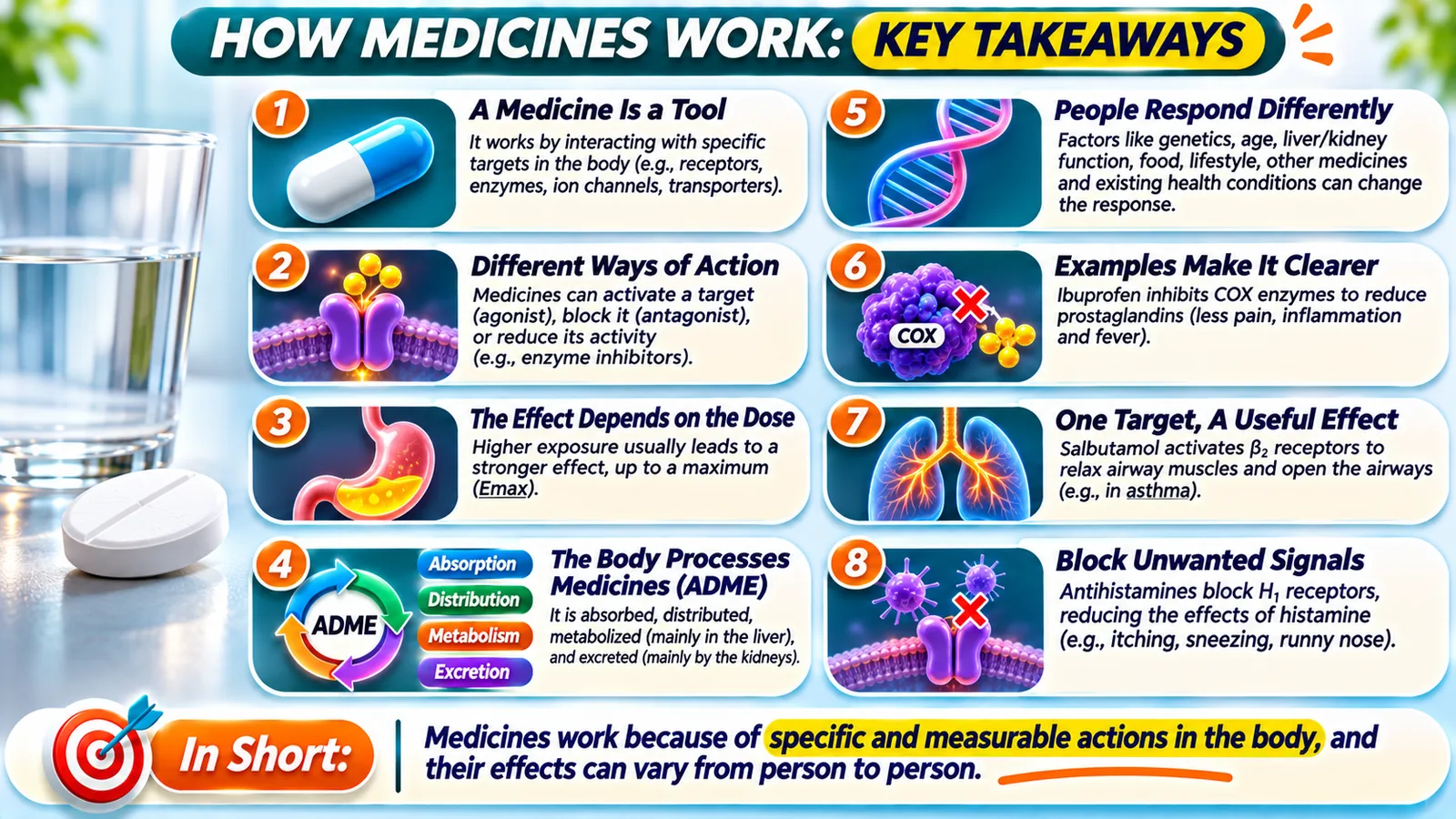
- Pharmacology studies how medicines interact with living systems.
- Pharmacokinetics describes what the body does to a medicine (ADME).
- Pharmacodynamics describes what a medicine does to the body.
- Medicines can act on receptors, enzymes, ion channels and transporters.
- Responses vary between people; more medicine does not always mean more benefit.
Frequently asked questions
What is the difference between potency and efficacy?
Potency describes how much drug is needed to produce a specified effect. Efficacy describes the maximum effect a drug can produce in a defined system. A more potent drug is not automatically more efficacious.
How are pharmacokinetics and pharmacodynamics connected?
PK helps determine drug concentration at the site of action over time, while PD explains the response associated with that concentration. Active metabolites, delayed effects and individual biology can influence the relationship.
Is pharmacokinetics the same as pharmacodynamics?
No. Pharmacokinetics describes absorption, distribution, metabolism and excretion. Pharmacodynamics describes the effects and mechanisms of a medicine in the body.
Do all medicines work by binding to receptors?
No. Many medicines act on receptors, but others act on enzymes, ion channels, transporters or through direct chemical or physical mechanisms.
Why can a medicine cause side effects?
A medicine may affect its intended target in more than one tissue, interact with other targets or produce effects related to its concentration. Patient factors and interactions can also influence risk.
Does a higher dose work faster?
Not necessarily. A higher dose may increase exposure and adverse-effect risk without making the medicine work faster or better. Follow the prescribed dose and approved product information.
Why do some medicines need dose adjustment in kidney or liver disease?
The kidneys and liver contribute to the elimination or metabolism of many medicines. Impaired function can change exposure, so a clinician may need to adjust the dose or choose another option.
References and further reading
- National Institute of General Medical Sciences (NIGMS). How Do Medicines Work? — accessible overview of receptors, agonists, antagonists and enzymes.
- NCBI Bookshelf, StatPearls. Pharmacokinetics — absorption, distribution, metabolism and excretion.
- NCBI Bookshelf, StatPearls. Pharmacodynamics — drug targets, mechanisms and dose-response concepts.
- Open RN / NCBI Bookshelf. Nursing Pharmacology: Pharmacokinetics and Pharmacodynamics — foundational concepts and examples.
- Merck Manual Professional. Overview of Pharmacodynamics — clinical effects, dose-response and patient factors.
- World Health Organization. Rational use of medicines — principles for appropriate medicine use.
Editorial note: This is a general educational introduction. Drug mechanisms and clinical use can be more complex than the simplified examples shown here. Always check current product information and trusted clinical guidance.

Sayedul Abrar
A Grade Pharmacist · Registration Code: A-22040
Product Executive, Product Management Department (PMD) · Opsonin Pharma Ltd.